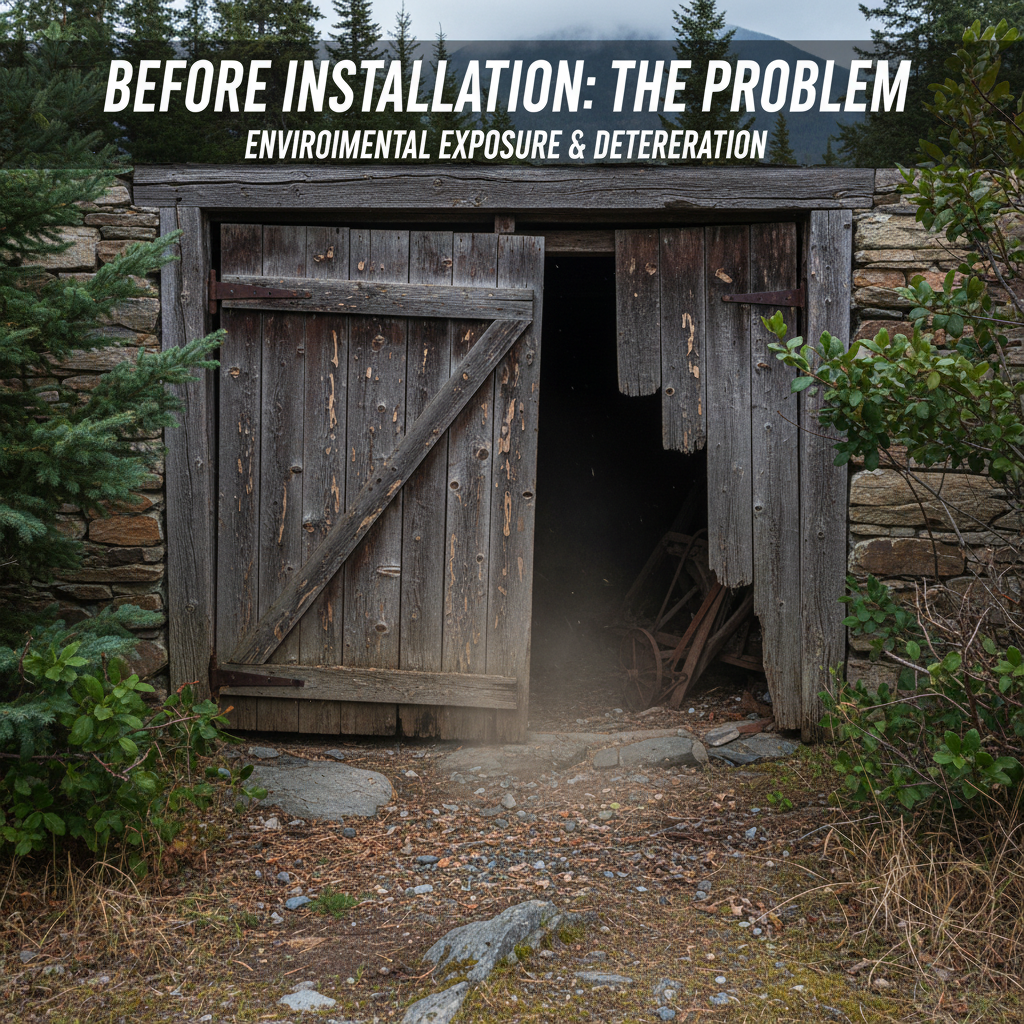
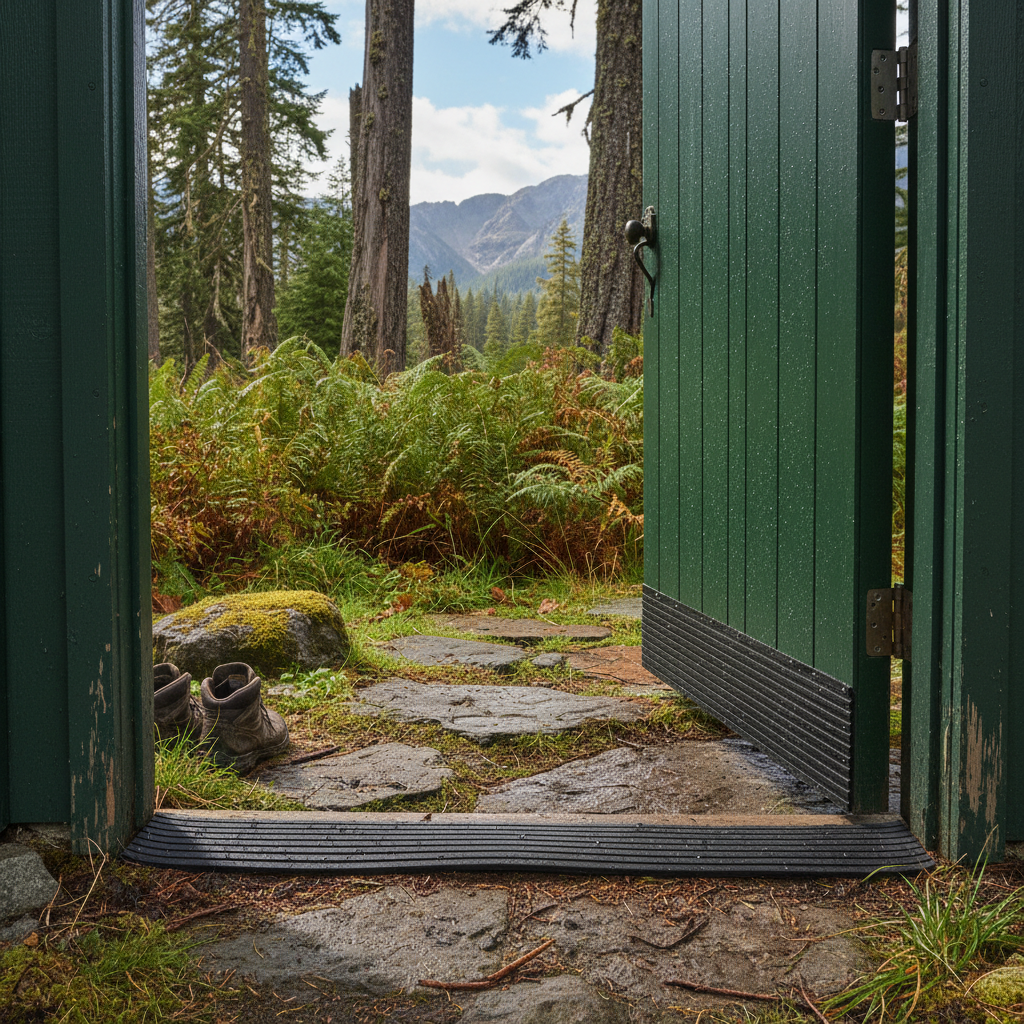
A bottom door draft stopper is a simple yet incredibly effective solution to a common household problem: unwanted air leakage around doors. This leakage leads to higher energy bills, uncomfortable drafts, and even potential damage to your home. Understanding the importance of a quality bottom door draft stopper isn’t just about comfort; it’s about energy conservation and responsible living. In a world increasingly focused on sustainability, minimizing energy waste is paramount, and a well-placed draft stopper is a significant step in that direction.
The global relevance of addressing energy inefficiencies, including drafts, is underscored by international initiatives like the United Nations Sustainable Development Goals, specifically Goal 7 (Affordable and Clean Energy). The World Bank also emphasizes the need for energy-efficient building practices in developing nations. Addressing these inefficiencies on a household level, with solutions like a bottom door draft stopper, contributes to a larger global effort. The escalating costs of heating and cooling further amplify the need for effective solutions.
Ultimately, a bottom door draft stopper offers an easy, affordable, and impactful way to improve home comfort, reduce energy consumption, and contribute to a more sustainable lifestyle. It’s a small change that can make a big difference, offering a tangible return on investment and peace of mind. The benefits extend beyond financial savings, encompassing enhanced indoor air quality and reduced strain on HVAC systems.
Introduction to Bottom Door Draft Stoppers
A bottom door draft stopper isn’t a glamorous invention, but its impact on home comfort and energy efficiency is substantial. From simple fabric tubes filled with sand or rice to more sophisticated designs incorporating foam and rubber seals, the core function remains the same: to block the airflow that seeps under doors. This seemingly minor air leak can account for a significant portion of energy loss, especially in older homes or buildings with poorly sealed doors.
The concept is rooted in basic physics – preventing convective heat transfer. By creating a physical barrier, a bottom door draft stopper minimizes the exchange of warm or cool air between rooms or between the inside and outside. This not only maintains a more consistent temperature but also reduces the workload on heating and cooling systems, leading to lower energy bills and a smaller carbon footprint. Considering a bottom door draft stopper is a sensible investment.
Defining the Bottom Door Draft Stopper
Simply put, a bottom door draft stopper is a device designed to seal the gap between the bottom of a door and the floor. This gap is a common source of drafts, allowing air to flow freely in and out. The device typically comes in the form of a long, cylindrical or rectangular shape that sits flush against the door and floor, effectively blocking airflow. Materials vary widely, ranging from simple fabrics to high-density foam and durable rubber.
In modern industry, the principles behind draft stopping extend beyond residential use. Concepts are applied in manufacturing facilities to maintain temperature control and prevent contamination, in commercial buildings to reduce energy costs, and even in specialized environments like laboratories and cleanrooms. The basic principle of sealing gaps remains consistent across these applications.
The humanitarian need for effective draft stopping also arises in disaster relief situations. Providing temporary shelters quickly is crucial, but ensuring those shelters are adequately insulated and protected from the elements is equally important. While not always a dedicated "draft stopper," using materials to seal gaps in temporary structures can significantly improve their habitability and protect vulnerable populations.
Key Factors for Effective Draft Stopping
Several key factors determine the effectiveness of a bottom door draft stopper. Durability is paramount; the stopper needs to withstand regular use and maintain its shape over time. A flimsy stopper will quickly lose its effectiveness. Seal Quality is also crucial – a tight seal against both the door and the floor is essential to prevent air leakage. The material and design contribute significantly to seal quality.
Compatibility with different door types and floor surfaces is another important consideration. Some stoppers are designed for specific door widths or floor materials, while others are more versatile. Ease of Installation is a practical factor. A stopper that is difficult to install or requires tools may deter users. Adjustability to accommodate slight variations in door height and floor level is also beneficial.
Finally, Material Quality impacts longevity and effectiveness. High-density foam, durable rubber, and robust fabric coverings are all indicators of a quality product. Choosing the right material also depends on the specific application and climate. For example, weather-resistant materials are ideal for exterior doors.
Global Applications and Use Cases
Bottom door draft stoppers find application across a broad spectrum of environments. In Residential settings, they are a common DIY solution for improving home energy efficiency and comfort. In Commercial Buildings such as offices and hotels, they can contribute to significant energy savings by reducing HVAC demand. Industrial Facilities utilize similar sealing technologies to maintain temperature and humidity control in sensitive areas.
Specifically, in Cold-Climate Regions like Canada and Scandinavia, draft stopping is critical for minimizing heat loss during harsh winters. Post-Disaster Relief Operations often involve the use of makeshift draft stoppers to improve the habitability of temporary shelters. In Remote Industrial Zones, like mining or research outposts, maintaining consistent temperatures is essential for operational efficiency, and draft stoppers play a supporting role.
The manufacturing of bottom door draft stoppers themselves is a globally distributed industry, with production concentrated in countries like China and Vietnam, where labor costs are lower. However, demand is universal, spanning across all continents and economic levels, driven by the common need for energy conservation and improved indoor comfort.
Bottom Door Draft Stopper Method Comparison
Advantages and Long-Term Value
The advantages of using a bottom door draft stopper extend far beyond simply eliminating drafts. The most tangible benefit is Cost Savings on energy bills. By reducing heat loss in winter and heat gain in summer, the device lowers the workload on HVAC systems, resulting in lower monthly expenses. Another significant advantage is Improved Comfort – eliminating drafts creates a more pleasant and consistent indoor environment.
From a Sustainability perspective, reducing energy consumption translates to a smaller carbon footprint and a more environmentally responsible lifestyle. The use of recycled or sustainable materials in the construction of the draft stopper itself further enhances its environmental benefits. Furthermore, a well-sealed door contributes to Increased Home Value, as energy efficiency is increasingly valued by potential buyers.
Future Trends and Innovations
The future of bottom door draft stopping is likely to see integration with smart home technology. Imagine a draft stopper equipped with sensors that automatically adjust to optimize sealing based on temperature and humidity levels. We can anticipate the development of Self-Adjusting Draft Stoppers that utilize advanced materials and mechanisms to provide a perfect seal regardless of door or floor irregularities.
Another trend is the increasing use of Sustainable Materials in manufacturing. Bio-based foams, recycled fabrics, and biodegradable polymers are all potential candidates for creating eco-friendly draft stoppers. Further integration with Building Automation Systems will enable remote monitoring and control of draft stoppers, optimizing energy efficiency across entire buildings.
Challenges and Solutions
One common challenge with bottom door draft stoppers is maintaining a consistently tight seal over time. Doors and floors can shift and settle, creating gaps that reduce effectiveness. A solution lies in Adjustable Designs that allow users to fine-tune the seal as needed. Another issue is compatibility with different door types.
Some doors, particularly those with uneven bottoms, are difficult to seal effectively. Developing Universal Adapters and more flexible materials can address this challenge. Finally, durability is a concern; cheaper draft stoppers often wear out quickly. Utilizing High-Quality Materials and robust construction techniques is essential for creating long-lasting products.
Innovative designs, such as draft stoppers with integrated weather stripping or magnetic sealing mechanisms, are also emerging as potential solutions to these challenges, offering improved performance and longevity.
Analysis of Bottom Door Draft Stopper Performance
| Draft Stopper Type |
Ease of Installation |
Seal Effectiveness |
Durability Score (1-10) |
| Fabric Tube (Sand Filled) |
9 |
6 |
4 |
| Foam Seal (Adhesive Backed) |
7 |
8 |
6 |
| Rubber Sweep (Screw Mounted) |
5 |
9 |
8 |
| Magnetic Draft Stopper |
6 |
7 |
7 |
| Adjustable Foam Stopper |
7 |
9 |
9 |
| Automatic Seal Stopper |
4 |
10 |
10 |
FAQS
While many materials can be used, high-density foam and durable rubber generally offer the best combination of sealing ability, durability, and cost-effectiveness. Fabric tubes filled with sand or rice are a budget-friendly option, but they may not provide as tight a seal or last as long. The best choice depends on your specific needs and budget.
Measure the width of the door you want to seal. Most draft stoppers are adjustable or come in standard sizes. If your door has an uneven bottom, you may need a draft stopper that can accommodate that, such as an adjustable foam stopper or a rubber sweep. It's important to ensure the stopper makes full contact with both the door and the floor for maximum effectiveness.
Yes, a bottom door draft stopper can significantly reduce your energy bill. By preventing air leakage, it reduces the workload on your heating and cooling system. The amount of savings will vary depending on the size of the gap under your door, your local climate, and your energy costs, but even a small improvement in energy efficiency can add up over time.
Yes, but it's crucial to choose a draft stopper made from weather-resistant materials. Look for products specifically designed for exterior doors, as they will be more durable and able to withstand the elements. Rubber sweeps and adjustable foam stoppers are good choices for exterior doors, as they provide a tight seal against rain, wind, and cold air.
The lifespan of a bottom door draft stopper depends on the material and usage. Fabric tube stoppers may need replacing every year or two, while more durable options like rubber sweeps and adjustable foam stoppers can last for several years. Check your draft stopper regularly for signs of wear and tear, such as cracks, tears, or loss of shape, and replace it when necessary.
Yes, you can! However, the height of the threshold will influence which type of draft stopper is most effective. For low thresholds, most standard draft stoppers will work well. For higher thresholds, you may need an adjustable draft stopper or one specifically designed to accommodate taller gaps. A rubber sweep is a great option for thresholds.
Conclusion
In conclusion, the bottom door draft stopper represents a remarkably simple yet profoundly effective solution to a pervasive problem: energy loss and discomfort caused by air leakage. From its roots in basic physics to its increasing integration with sustainable materials and smart home technology, this humble device offers a tangible and impactful way to improve home comfort, reduce energy consumption, and contribute to a more sustainable future.
Looking ahead, continued innovation in materials and design will undoubtedly lead to even more effective and user-friendly draft stoppers. By embracing these advancements and prioritizing energy efficiency, we can all play a role in creating a more comfortable, sustainable, and cost-effective living environment. For premium solutions and to explore a range of options, visit our website: www.qzseals.com.