Telephone: +8618730949119
0%

Table of Contents

Rubber door bottoms are essential components in sealing gaps beneath doors, offering a surprisingly impactful solution to a multitude of challenges ranging from energy conservation to pest control. Globally, the demand for effective sealing solutions is growing due to increasing energy costs and heightened awareness of environmental sustainability. A well-installed rubber door bottom significantly reduces heat loss and gain, contributing to lower energy bills and a reduced carbon footprint. This seemingly small element plays a critical role in building efficiency.

The significance of rubber door bottoms extends beyond residential use. Industrial facilities, commercial buildings, and even healthcare environments rely on these seals to maintain controlled environments. Precise temperature regulation is crucial in industries like food processing and pharmaceuticals, where even minor fluctuations can compromise product quality. Similarly, hospitals and cleanrooms depend on airtight seals to prevent contamination and maintain sanitary conditions.

Understanding the nuances of rubber door bottoms – their materials, installation techniques, and durability – is vital for professionals in construction, maintenance, and facilities management. Furthermore, advancements in materials and designs are constantly improving their performance and lifespan, making them an increasingly cost-effective and environmentally responsible choice for various applications.

Enhancing Building Efficiency with Durable Rubber Door Bottom Solutions

The Importance of Rubber Door Bottoms
Enhancing Building Efficiency with Durable Rubber Door Bottom Solutions

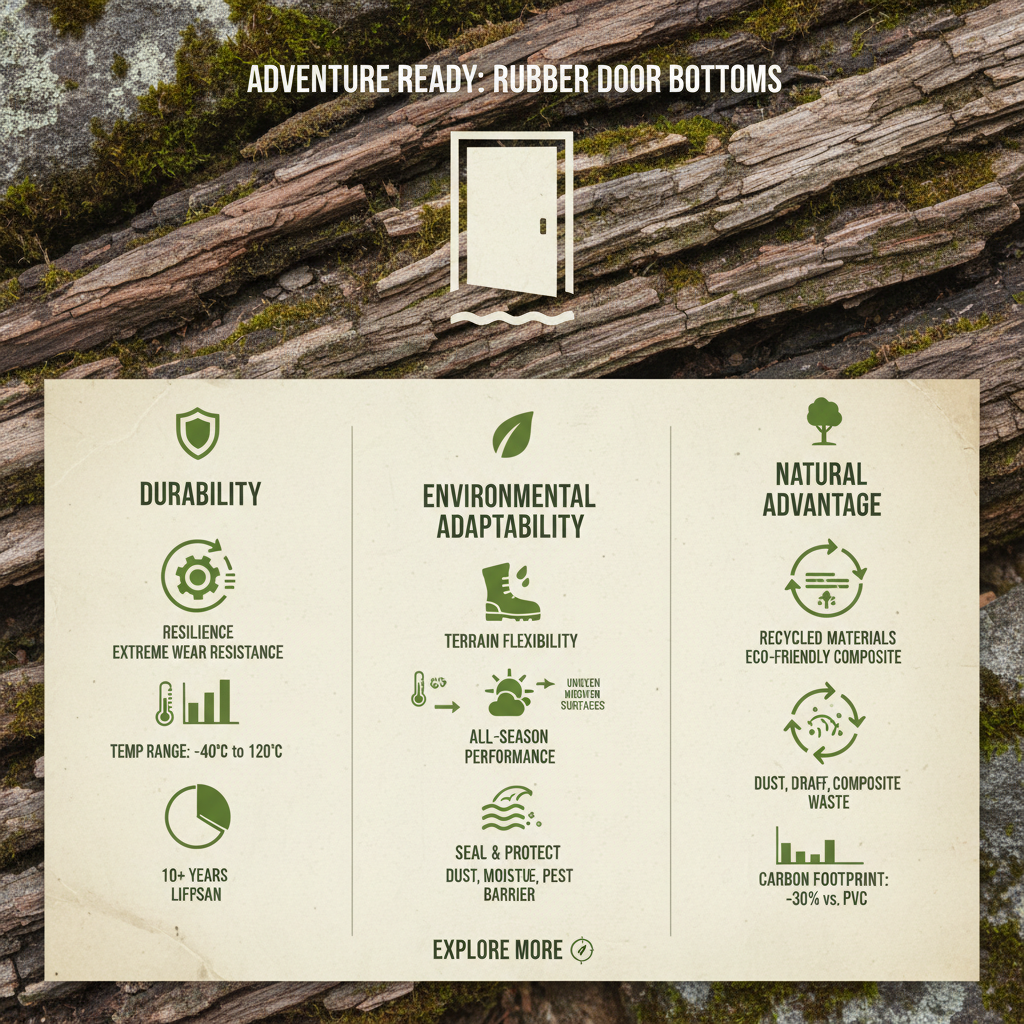
Rubber door bottoms represent a small, yet critical, component of building efficiency and comfort. Their primary function – sealing the gap between the door and the threshold – prevents drafts, reduces noise transmission, and blocks the entry of pests and dust. Ignoring this gap can lead to significant energy loss, particularly in older buildings, and contribute to uncomfortable indoor environments.

The modern focus on sustainable building practices has amplified the importance of these seals. As energy regulations become stricter and homeowners seek ways to lower their utility bills, the demand for high-quality rubber door bottom solutions continues to rise. Selecting the right material and ensuring proper installation are crucial for maximizing their effectiveness.

Understanding Rubber Door Bottoms: A Global Perspective

The global market for door and window seals, which includes rubber door bottoms, is a multi-billion dollar industry. Factors driving this growth include rapid urbanization, increasing construction activity in developing countries, and growing awareness of energy efficiency. According to a report by Grand View Research, the global building insulation market size was valued at USD 52.25 billion in 2022 and is expected to grow at a compound annual growth rate (CAGR) of 5.7% from 2023 to 2030. Rubber door bottoms contribute significantly to the overall insulation performance of buildings.

Demand is particularly strong in regions with extreme climates – both hot and cold. In colder areas, effective sealing prevents heat loss, reducing heating costs and improving indoor comfort. Conversely, in warmer climates, they help keep cooled air inside, minimizing air conditioning expenses. The ISO 9001 certification is widely used as a quality benchmark for manufacturers ensuring consistent performance.

However, challenges remain. Supply chain disruptions and fluctuating raw material prices can impact manufacturing costs and lead times. Furthermore, the proper disposal of end-of-life rubber seals presents an environmental concern, driving the need for more sustainable materials and recycling initiatives.

Defining a Rubber Door Bottom

A rubber door bottom is a strip of flexible material, typically made from EPDM, silicone, or neoprene rubber, designed to create a seal between the bottom edge of a door and the threshold. Its primary purpose is to prevent air, water, dust, and pests from entering a building through the gap beneath the door. These seals are available in a variety of shapes, sizes, and attachment methods to accommodate different door types and threshold designs.

The connection to modern industry and humanitarian needs stems from the increasing demand for energy-efficient buildings and sustainable living solutions. Properly sealed buildings require less energy for heating and cooling, reducing greenhouse gas emissions and promoting environmental responsibility. In emergency situations or disaster relief efforts, durable and readily deployable door seals can help create safe and comfortable shelters for displaced populations.

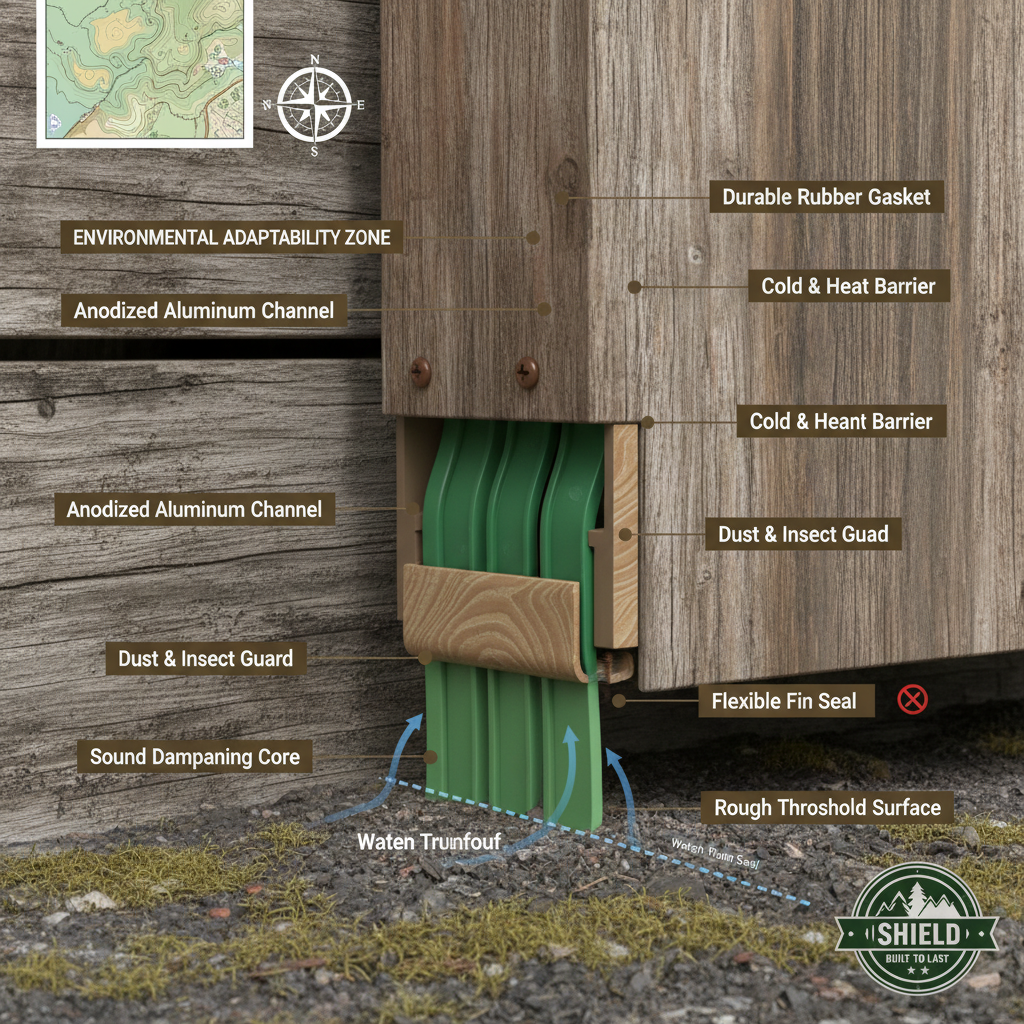
Modern rubber door bottom designs often incorporate features like flexible fins, brush-style seals, and magnetic strips to enhance their sealing performance and longevity. The choice of material depends on the specific application and environmental conditions, with certain rubbers offering greater resistance to UV exposure, temperature extremes, or chemical degradation.

Key Factors Influencing Rubber Door Bottom Performance

Several key factors determine the effectiveness and longevity of a rubber door bottom. Firstly, Material Durability is crucial; the rubber compound must resist cracking, fading, and degradation from exposure to sunlight, weather, and cleaning chemicals. Secondly, Seal Flexibility is essential to conform to uneven thresholds and maintain a tight seal when the door is opened and closed.

Thirdly, Attachment Method significantly impacts installation ease and seal stability. Options include screw-on, adhesive-backed, and insert-style seals, each with its own advantages and disadvantages. Fourthly, Threshold Compatibility must be considered to ensure a proper fit and prevent air leakage. Finally, Resistance to Abrasion is vital in high-traffic areas to prevent premature wear and tear.

Rubber Door Bottom Performance Metrics


Global Applications and Use Cases

Rubber door bottoms find widespread application across various sectors globally. In residential construction, they are standard components in new builds and retrofit projects aimed at improving energy efficiency. Commercial buildings, such as offices, hotels, and retail spaces, utilize them to maintain comfortable indoor climates and reduce operational costs.

Industrially, they are essential in facilities requiring strict environmental control, like food processing plants, pharmaceutical manufacturers, and cleanrooms. Hospitals and healthcare facilities benefit from their ability to minimize the spread of airborne contaminants. In post-disaster relief operations, quick-installing rubber door bottoms can be used to seal temporary shelters and provide a degree of protection from the elements.

Advantages and Long-Term Value

The advantages of using rubber door bottoms are multi-faceted. Tangible benefits include reduced energy consumption, lower utility bills, and improved indoor air quality. The long-term value extends to increased building lifespan due to minimized moisture damage and enhanced structural integrity. These seals contribute to sustainability goals by reducing a building's carbon footprint.

Beyond the practical, rubber door bottoms offer peace of mind, knowing your home or business is better protected from the elements and pests. They contribute to a more comfortable and healthier indoor environment, fostering a sense of well-being. The reliable performance and minimal maintenance requirements further enhance their appeal, making them a worthwhile investment.

Future Trends and Innovations

The future of rubber door bottoms lies in the development of more sustainable materials, smart technologies, and advanced sealing mechanisms. Research is focused on utilizing recycled rubber and bio-based polymers to reduce environmental impact. Integration with smart home systems could allow for automated adjustments based on weather conditions or occupancy.

Self-adjusting seals that dynamically conform to uneven surfaces are also under development. Further, advancements in digital manufacturing and 3D printing will enable customized solutions tailored to specific door designs and building requirements. Increased adoption of automated installation processes will streamline the implementation and reduce labor costs.

The growing emphasis on passive house design and net-zero energy buildings will continue to drive innovation in sealing technologies, including more efficient and durable rubber door bottom solutions.

FAQS

What is the lifespan of a typical rubber door bottom?

The lifespan of a rubber door bottom varies depending on the material, installation quality, and environmental conditions. Generally, EPDM rubber door bottoms can last between 5-10 years, while silicone and neoprene options may offer slightly longer lifespans. Regular inspection and replacement when signs of wear or damage are visible are recommended to maintain optimal performance.

How do I choose the right size rubber door bottom for my door?

Accurate measurement is key. Measure the width of the door and the height of the gap between the door and the threshold. Choose a rubber door bottom that matches the door width and has sufficient flexibility to fill the gap effectively. Consider the door material and threshold type to select the appropriate attachment method (screw-on, adhesive, or insert).

What are the best materials for rubber door bottoms in different climates?

EPDM rubber is a versatile choice for most climates, offering good resistance to UV exposure and temperature variations. Silicone rubber is ideal for extreme temperatures, both high and low. Neoprene rubber is suitable for environments where oil or chemical resistance is required. The specific climate and exposure conditions should guide your material selection.

Are rubber door bottoms easy to install?

Installation difficulty varies depending on the attachment method. Adhesive-backed seals are generally the easiest to install, requiring minimal tools. Screw-on seals require drilling and screwdriving, while insert-style seals typically require a slot to be cut into the door bottom. Following the manufacturer’s instructions carefully is crucial for a successful installation.

How can I maintain a rubber door bottom to prolong its life?

Regularly clean the rubber door bottom with mild soap and water to remove dirt and debris. Avoid using harsh chemicals or abrasive cleaners, as these can damage the rubber. Inspect the seal periodically for signs of wear, cracking, or damage and replace it when necessary. Ensure the threshold is clean and free of obstructions.

Are there any eco-friendly rubber door bottom options available?

Yes, manufacturers are increasingly offering rubber door bottoms made from recycled rubber or bio-based polymers. These options reduce reliance on virgin materials and minimize environmental impact. Look for products with certifications like GreenGuard or those that specify recycled content. Prioritizing durability also contributes to sustainability by reducing the frequency of replacements.

Conclusion

In conclusion, rubber door bottoms represent a deceptively simple yet highly effective solution for improving building efficiency, comfort, and sustainability. From reducing energy consumption and lowering utility bills to protecting against pests and enhancing indoor air quality, their benefits are far-reaching. Understanding the various materials, installation techniques, and performance factors is crucial for maximizing their value.

Looking ahead, ongoing innovation in materials, design, and smart technologies will further enhance the performance and environmental credentials of rubber door bottoms. By embracing these advancements and prioritizing quality installation, we can create more comfortable, efficient, and sustainable buildings for generations to come. For high-quality rubber door bottom solutions, visit our website: www.qzseals.com.

Charles Wilson

Charles Wilson

Charles Wilson is a seasoned Production Manager at Hebei Qiuzhuo Rubber Products Co., Ltd., responsible for overseeing all manufacturing operations. With over 20 years of experience in the rubber industry, Charles ensures efficient production processes and adherence to quality standards. He is adept at optimizing workflow, managing production schedules, and
Previous Comprehensive Guide to Overhead Door Bottom Seals for Enhanced Efficiency
Next Effective Under Door Noise Stopper Solutions for a Peaceful Environment