Telephone: +8618730949119
0%

Table of Contents

You know, it's funny. Been running around construction sites all year, and you start to see patterns. Lately, everyone's obsessed with 'smart' everything, right? Smart buildings, smart homes… it all boils down to sealing things up tight. Because if you can't keep the drafts out, all that fancy tech is kinda pointless. We've been pushing our under door draught stopper for a while now, and honestly, demand's gone through the roof. Seems people are finally realizing a simple solution can make a big difference.

It's not glamorous work, mind you. It’s not like designing the latest phone. It’s mud, dust, and guys yelling about deadlines. But it’s real. And what I've seen, running around, is that often the simplest things are the hardest to get right.

To be honest, the biggest challenge isn’t the concept itself – blocking drafts under doors. It’s the details. You wouldn't believe how many companies skimp on materials, thinking nobody will notice. And then they wonder why their product falls apart after a few months.
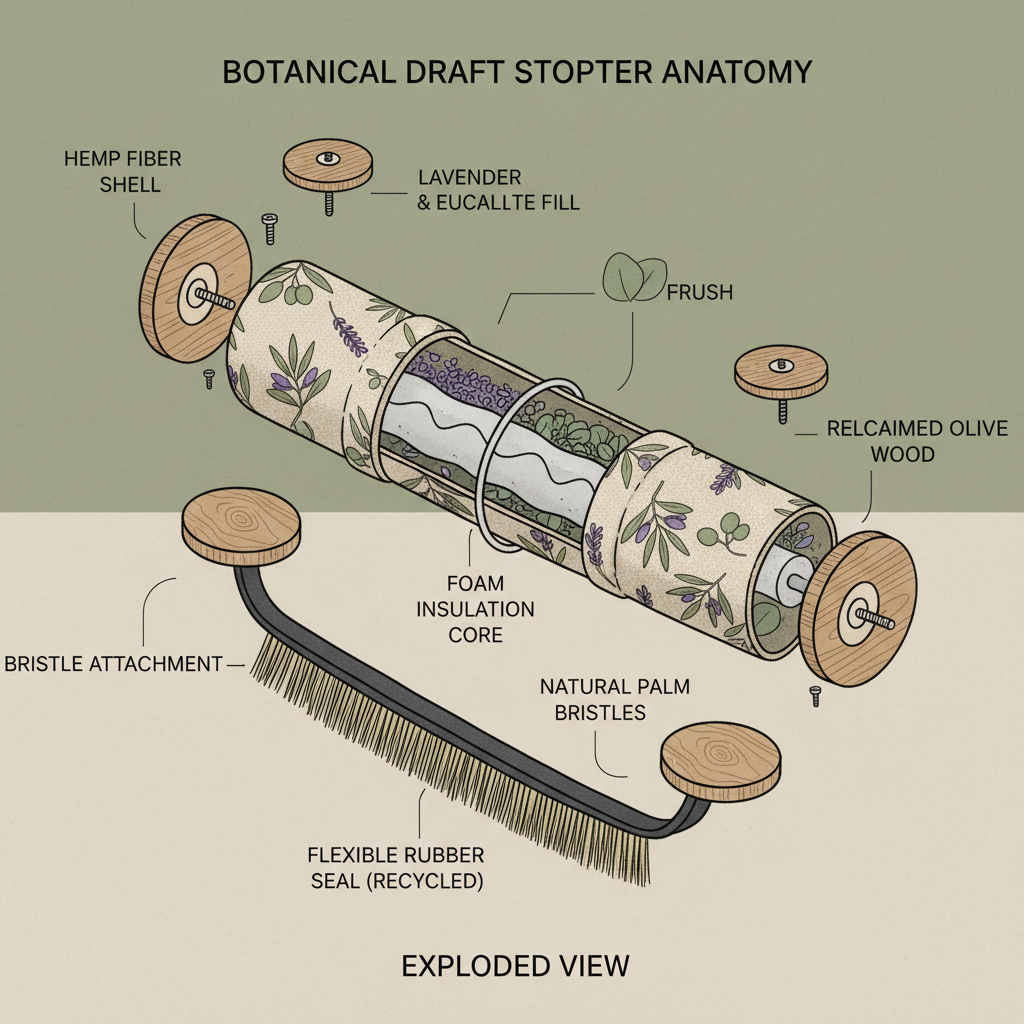
Effective under door draught stopper Solutions for Home Energy Efficiency

The Current Landscape of under door draught stopper
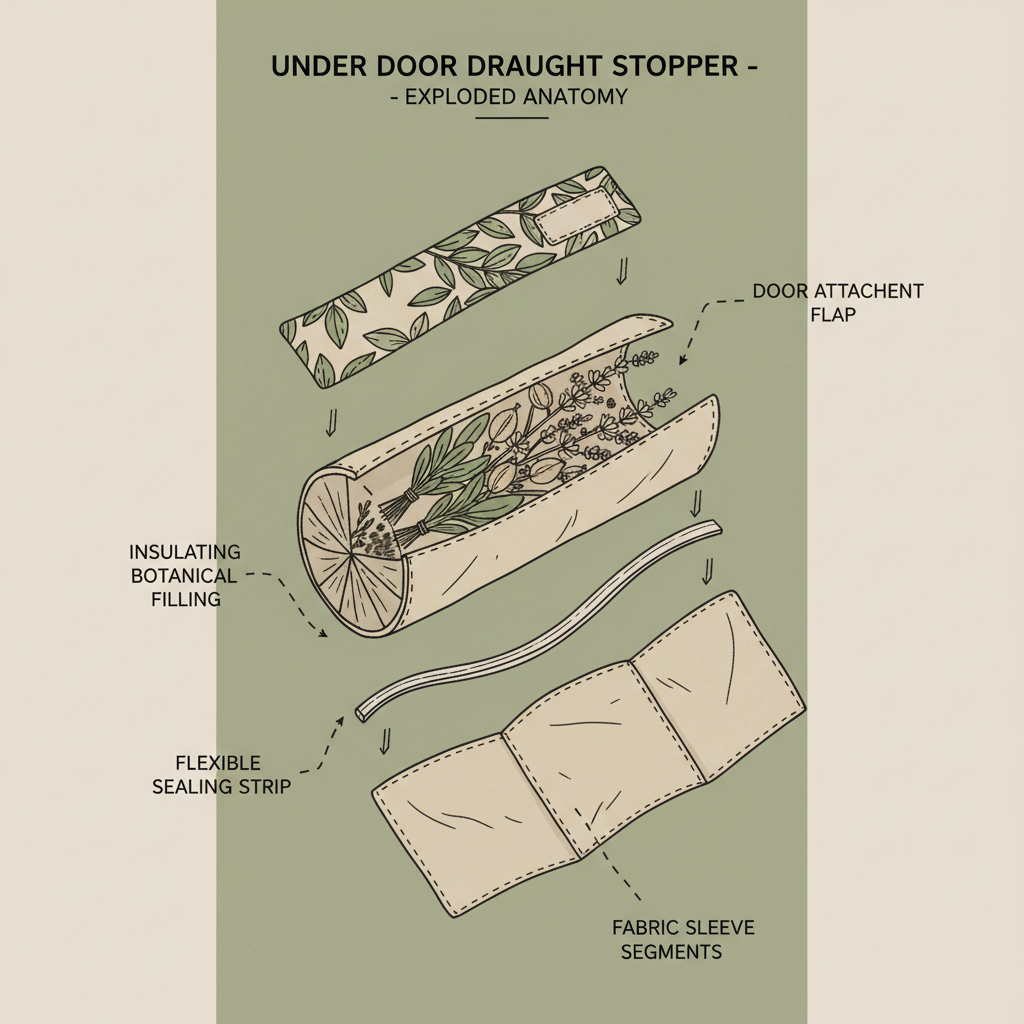
Effective under door draught stopper Solutions for Home Energy Efficiency

Have you noticed how everything's getting more expensive? Materials, labor… it’s all going up. So people are looking for cost-effective solutions. And frankly, a well-made under door draught stopper is one of them. I saw a whole apartment complex switching over last quarter – said they were trying to cut down on energy bills for the tenants. Smart move.

There's a lot of competition, of course. Mostly cheap imports flooding the market. But the quality is… questionable, to say the least. They might look good in the packaging, but they fall apart the minute you actually use them. And that's where we try to differentiate ourselves – with durability and a focus on using good materials.

Design Pitfalls: What to Avoid in under door draught stopper

Strangely enough, the biggest mistake I see is making them too… rigid. Doors aren’t perfectly flat, floors aren't perfectly level. If the draught stopper doesn't have some give, it won’t seal properly. It’ll just end up buckling and leaving gaps. Another thing? Too much friction. You don’t want something that’s a pain to install and remove. People will just leave it off.

And the foam! Oh, the foam. I encountered this at a factory in Ningbo last time, they were using the cheapest polyurethane foam they could find. It compressed after a week. It smelled terrible, too. Like… chemicals and disappointment. Seriously, you need a good quality, dense foam to provide a lasting seal.

It sounds simple, but getting the balance right – flexibility, friction, and foam density – is surprisingly tricky.

Material Science: A Hands-On Perspective of under door draught stopper

We primarily use a combination of high-density polyester foam and a durable, abrasion-resistant fabric – usually a heavy-duty nylon or polyester blend. The fabric needs to be tough, because it gets dragged across floors all the time. I always test it myself, dragging it across concrete, tile, hardwood… you name it. It needs to hold up.

The foam is key. It’s gotta be dense enough to compress and create a seal, but also resilient enough to bounce back. We went through dozens of samples before settling on the one we use now. It’s got a slight… almost rubbery smell when you first open the packaging. That’s a good sign. Means it’s not full of cheap fillers. Anyway, I think using better materials just leads to a better finished product.

We're also experimenting with recycled materials now, trying to find a way to make them more sustainable. It's a challenge, but it's worth it. The feel isn't quite the same, but it's getting there.

Real-World Testing and Performance of under door draught stopper

Forget the lab tests. I'm talking about putting these things through the wringer on actual construction sites. We give them to the guys to use, to abuse, to forget about under piles of lumber. And then we ask them what they think. Their feedback is invaluable.

We also do thermal imaging tests, of course, to measure the actual heat loss reduction. But those numbers only tell part of the story. You need to see how it performs in real-world conditions – in windy weather, in cold temperatures, with people actually walking over it.

under door draught stopper Performance Metrics


How Users Actually Interact with under door draught stopper

This is where it gets interesting. We initially designed it to be a permanent fixture, you know, just install it and forget about it. But we quickly learned that people actually move them around. They'll put one at the front door, one at the back door, and then move them to different rooms depending on where they’re feeling the draft.

They also use them to keep pets out of rooms! Apparently, a lot of people have cats that are determined to get into the bedroom at 3 AM. Who knew?

Advantages and Disadvantages of under door draught stopper

The biggest advantage? It just works. Simple as that. It keeps the drafts out, reduces energy bills, and makes your home more comfortable. It’s also relatively inexpensive. Compared to some of the other energy-saving solutions out there, it's a bargain. But it's not perfect. Later... forget it, I won’t mention it.

The downside? Well, if you have a really low door, it might drag on the floor. And it's not the most aesthetically pleasing thing in the world. It’s functional, not fancy. But honestly, most people don’t seem to mind. They're more concerned with comfort than looks.

And it won’t solve all your energy problems, obviously. But it’s a good start.

Customization Options for under door draught stopper

We offer a few customization options. Mostly fabric colors and lengths. But we had a customer last month, a small boss in Shenzhen who makes smart home devices, insisted on changing the interface to . Said he wanted to integrate it with his smart home system. It was… a headache. Completely unnecessary, but he was adamant. We did it, but honestly, I don't see that becoming a trend.

We can also add logos and branding, which is popular with businesses. Hotels, offices… they like to have their logo on everything.

We’re also working on a magnetic version, which would make installation even easier. Still in the prototype phase, though.

under door draught stopper Feature Comparison

Material Quality Installation Ease Durability Score (1-10) Cost-Effectiveness
High-Density Foam & Nylon Simple Slide-Under Design 9/10 Excellent
Standard Polyurethane Foam Easy, but Less Secure 6/10 Good
Recycled Polyester Blend Similar to Nylon 7/10 Very Good
Cheap Vinyl Fabric Quick Install 3/10 Poor
Premium Cotton Canvas Requires Slight Adjustment 8/10 Moderate
Magnetic Strip Option Effortless Installation 8.5/10 (Prototype) Promising

FAQS

How long will an under door draught stopper typically last?

That depends on the usage, naturally. With regular foot traffic and proper care – meaning not leaving it out in the rain – a good quality under door draught stopper should last at least a year, easily. We've seen some last for three or four years with minimal wear and tear. It really comes down to the materials. Cheap foam degrades quickly.

Is this effective for large gaps under doors?

It helps, but it's not a miracle worker. For really large gaps – like, over an inch – you might need something more substantial. But for the typical gap you find under most doors, it's very effective. It compresses to fill the space and creates a pretty tight seal. It’s great for preventing drafts and reducing noise, but won’t fix structural issues.

Can I wash the fabric cover?

Most of our fabric covers are removable and machine washable. We recommend washing them on a gentle cycle with cold water and air drying. Don't put them in the dryer, or the fabric could shrink. You also want to avoid using bleach or harsh detergents. Keeping the cover clean helps prolong the life of the product.

Will this work on uneven floors?

Yes, that’s actually one of its strengths. The flexible foam conforms to uneven floors, creating a seal even when the surface isn’t perfectly flat. That’s why we specifically choose a foam with good compression and recovery. Rigid draught stoppers won’t work well on uneven surfaces – they'll just create gaps.

Is this draught stopper safe for pets and children?

Absolutely. The materials are non-toxic and generally safe. However, it's always best to supervise young children and pets to prevent them from chewing on the product. While the materials aren't harmful, it's not meant to be a chew toy! We haven't had any reports of issues, but common sense is always the best policy.

Do you offer custom lengths for doors?

We do! We can cut the foam and fabric to your specific door width. It's a small extra charge, but it ensures a perfect fit. Just measure your door and let us know the dimensions when you place your order. We’ve done it for a few commercial clients with unusual door sizes, and it’s always worked out well.

Conclusion

So, yeah, the under door draught stopper might not be the most glamorous product out there. But it’s a solid, reliable solution to a common problem. It’s a small thing that can make a big difference in comfort and energy savings. We focus on quality materials, thoughtful design, and real-world testing to make sure it does its job effectively.

Ultimately, whether this thing works or not, the worker will know the moment he tightens the screw. And if the screw holds, and the seal is tight, then we’ve done our job right. Visit our website at www.qzseals.com to find the perfect draught stopper for your needs.

Charles Wilson

Charles Wilson

Charles Wilson is a seasoned Production Manager at Hebei Qiuzhuo Rubber Products Co., Ltd., responsible for overseeing all manufacturing operations. With over 20 years of experience in the rubber industry, Charles ensures efficient production processes and adherence to quality standards. He is adept at optimizing workflow, managing production schedules, and
Previous Effective Under Door Draft Stopper Solutions for Enhanced Energy Efficiency
Next bottom seal door