You know, I've been running around construction sites all year, dealing with all sorts of materials, and honestly, the biggest trend right now is everyone wanting something that seals tighter. It's not just about keeping the weather out anymore, it's about energy efficiency, security…the whole nine yards. People are starting to realize a flimsy bottom seal isn't just annoying, it's costing them money.
Have you noticed how many garage door companies are popping up claiming to have the 'ultimate' bottom seal? It's a jungle out there. And nine times out of ten, they've fallen into the same trap – trying to over-engineer something simple. Fancy materials don’t always equal better performance. I encountered this at a factory in Ningbo last time; they were using this space-age polymer, looked beautiful, smelled…well, like plastic, and it split after three cycles. Three!
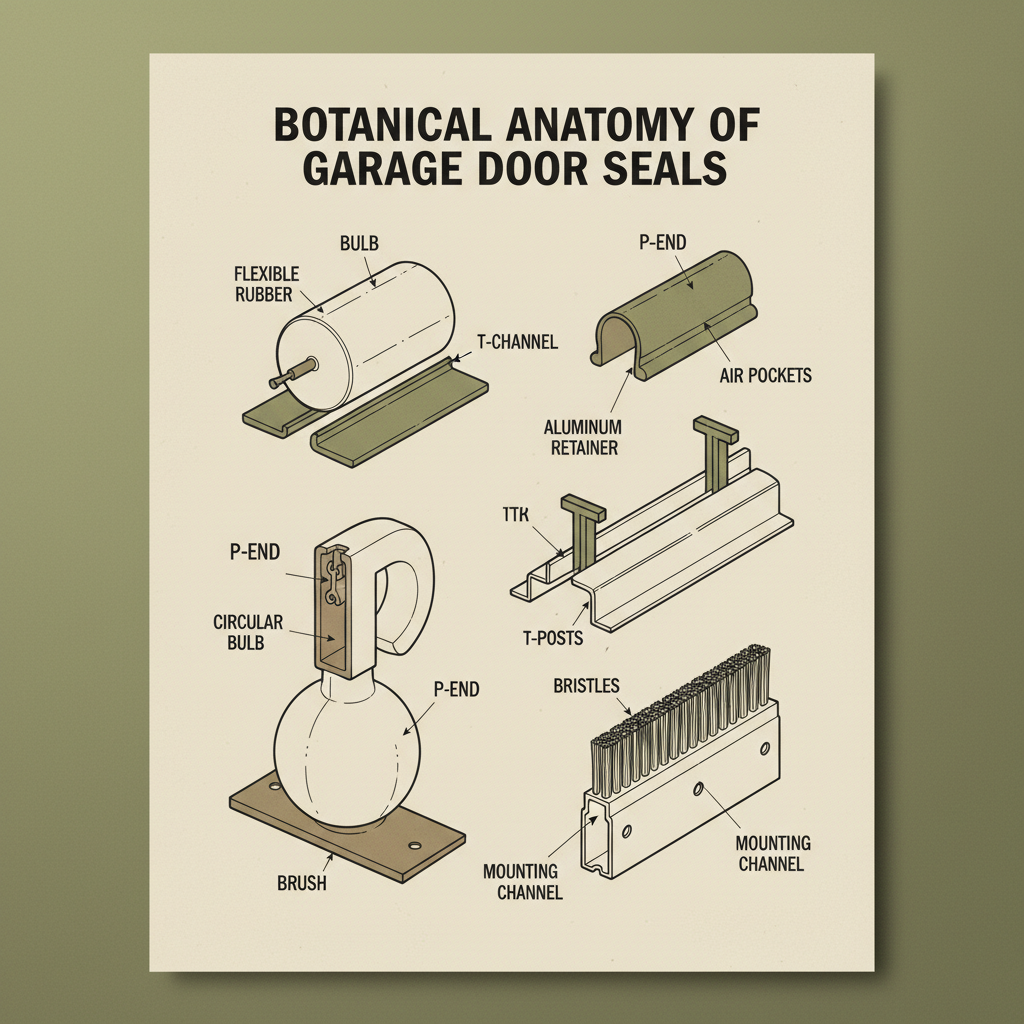
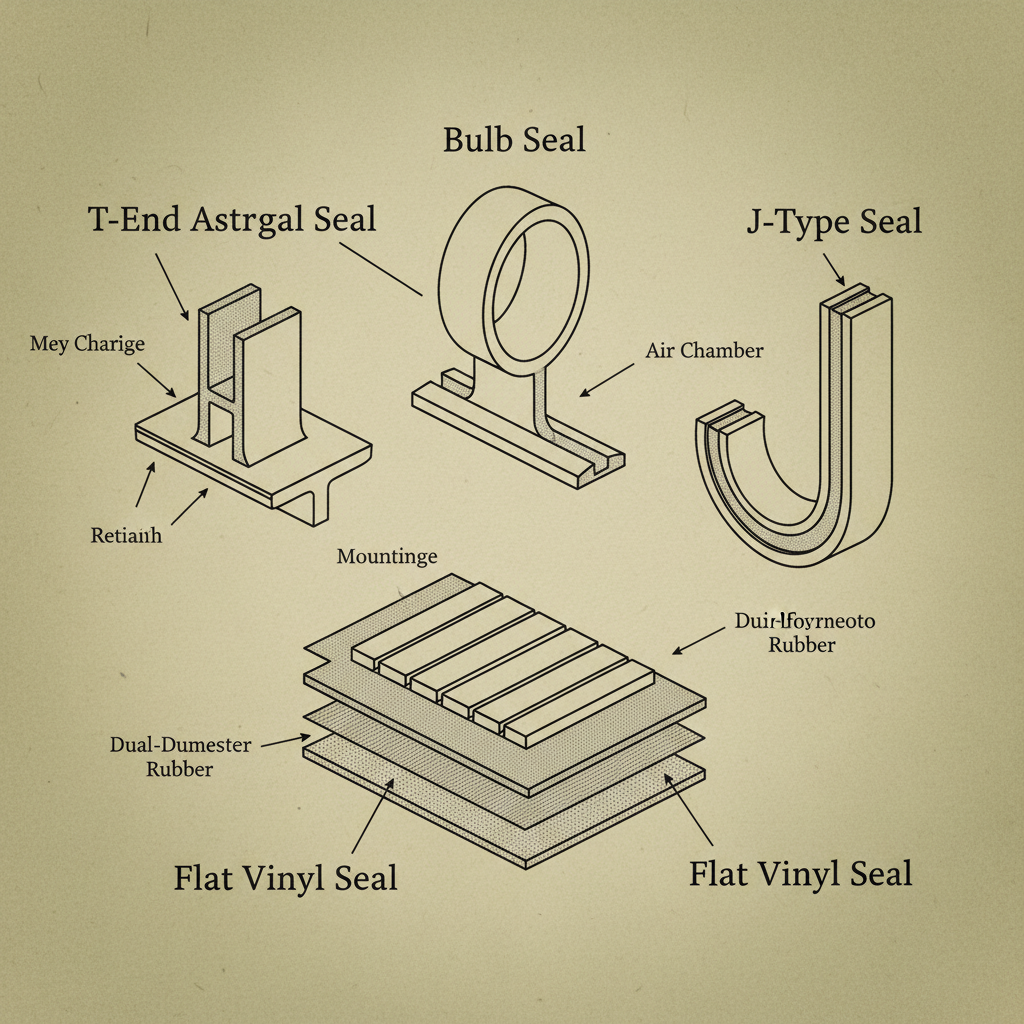
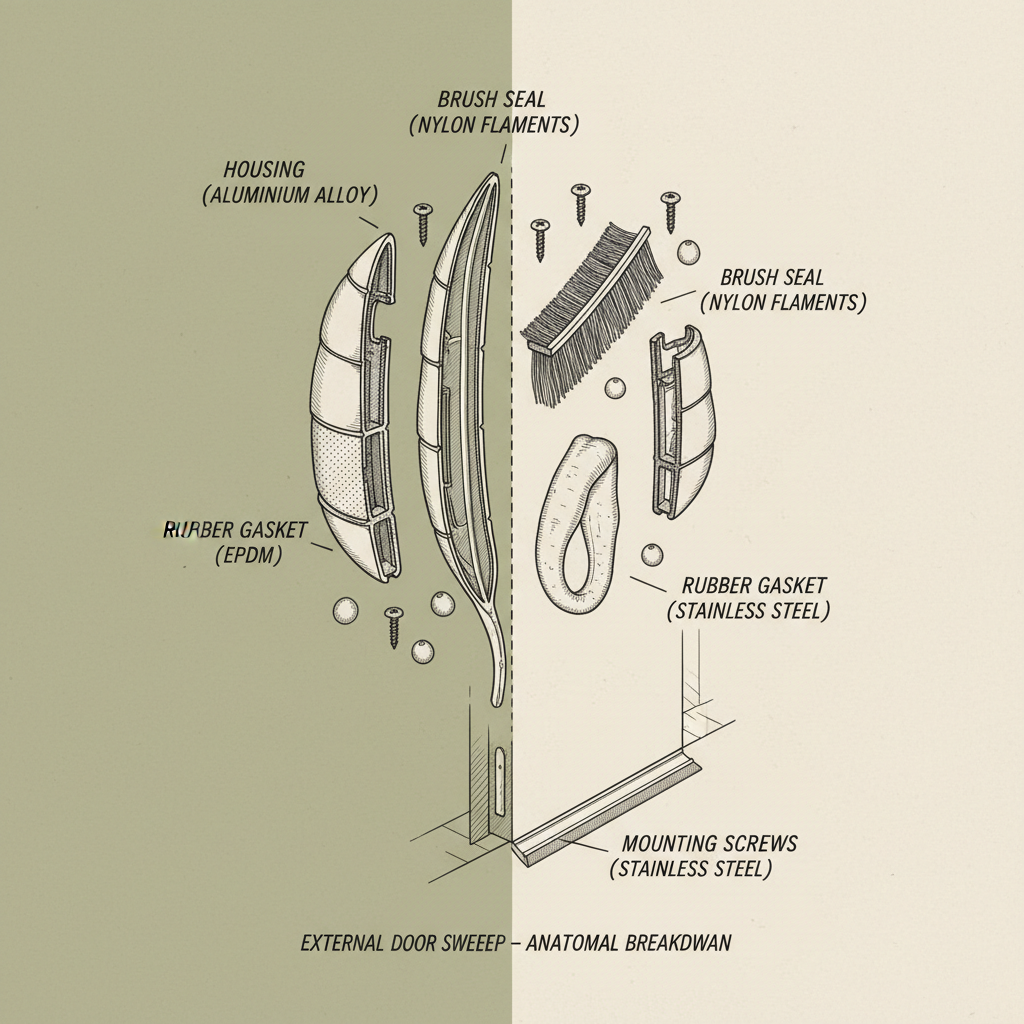
It's funny, folks think these seals are all the same. They're not. You've got your standard vinyl, your EPDM rubber – that's the good stuff, smells like tires, feels solid. Then you get into the brush seals, those are alright for lighter doors, but they collect debris like crazy. And don't even get me started on the inflatable seals. Too much can go wrong. Anyway, I think the key is finding the right balance between durability, flexibility, and cost.
Introduction to Bottom Garage Door Seals
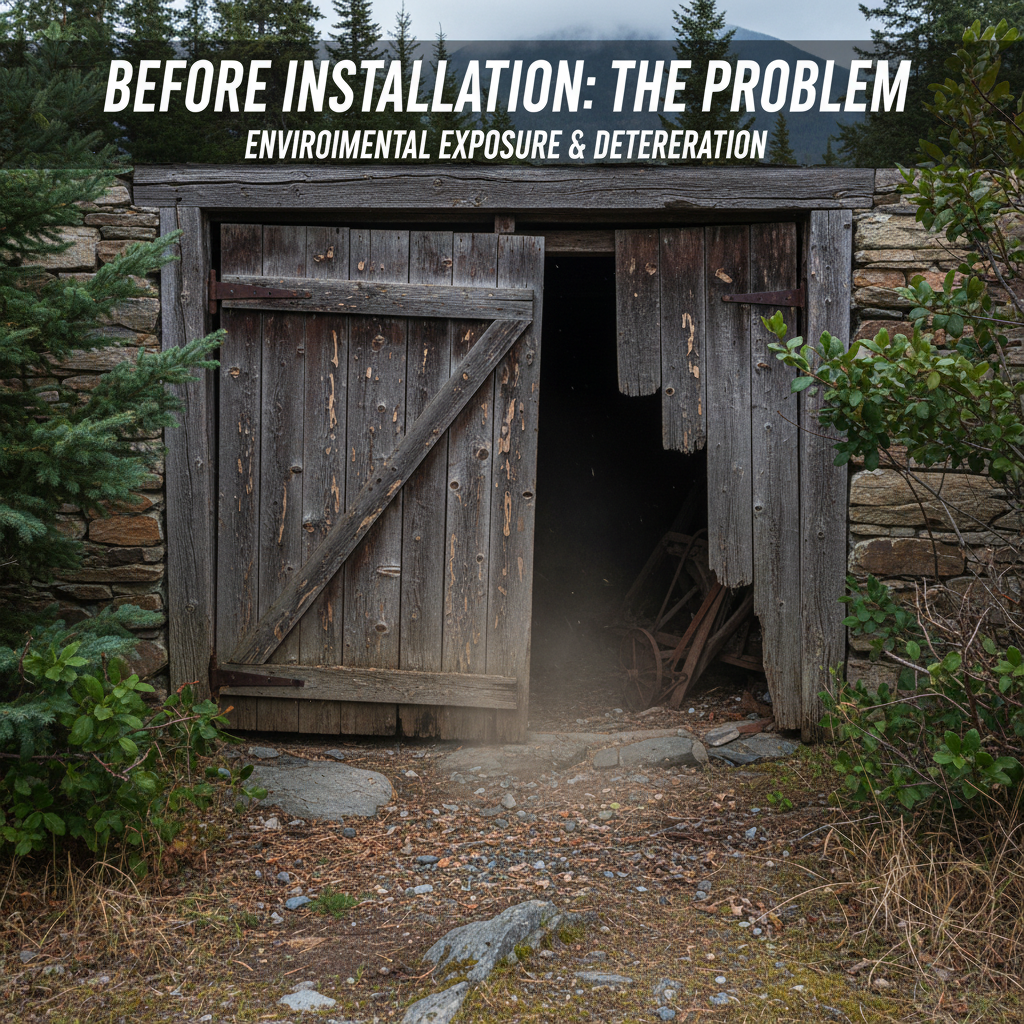
Bottom garage door seals. Sounds simple, right? But it’s the first line of defense against everything – rain, snow, dust, even those pesky insects. If it’s failing, you know it. You feel the draft, you see the light, and you're left wondering why you bothered with a garage door in the first place.
Strangely enough, a lot of people don't think about them until they're actively failing. They’re out of sight, out of mind. But a good seal does more than just keep the elements out; it contributes to your home’s energy efficiency, improves security, and even reduces noise. It’s a small part of the overall system, but it plays a surprisingly big role.
And these days, with everyone trying to save money on heating and cooling, the demand for high-quality seals is definitely going up. Plus, people are keeping more stuff in their garages, and they want to protect it. Honestly, it’s a good time to be in this business.
Key Material Considerations
The material is everything. You can have the best design in the world, but if the material isn't up to snuff, it's going to fail. Vinyl is cheap, sure, but it gets brittle in the cold and cracks in the sun. EPDM, now that's a different story. It's flexible, durable, and resistant to pretty much everything. It smells like a tire shop, I'll admit, but that’s a good sign!
Then you've got your polyurethane options. Those are good for insulation, but they can be pricey. We’ve also seen some manufacturers experimenting with silicone, but it’s still a bit early to tell how well it holds up long-term. And don’t even get me started on the recycled stuff. Some of it’s okay, but you really need to inspect it carefully for inconsistencies.
The feel of the material tells you a lot. A good EPDM seal should have some weight to it, a bit of give, and not smell strongly of chemicals. If it feels flimsy or brittle, walk away. Trust me. I learned that the hard way.
Testing and Real-World Performance
Lab tests are fine, I guess, but they don't tell you the whole story. You need to see how these things perform in the real world. I’ve seen seals that pass every lab test imaginable, but fall apart after six months on a customer’s door. We do our own testing, slamming doors, freezing seals, baking them in the sun... you name it.
We even have a rig that simulates years of wear and tear in a matter of weeks. It’s a bit rough around the edges, built mostly from scrap metal, but it gets the job done. It’s not pretty, but it’s honest. We’re not looking for perfect scores; we’re looking for seals that can withstand the abuse of everyday life.
I once saw a seal tested by simply leaving a door open during a hurricane. Harsh, yeah, but it told us everything we needed to know. It failed spectacularly, but at least we knew what it couldn’t handle.
Practical Applications & Usage Scenarios
You’d think it’s just for residential garages, right? Nope. We’re seeing more and more demand from commercial and industrial clients. Loading docks, warehouses, even refrigerated trucks – they all need good bottom seals. The requirements are different, of course. You need something that can withstand heavier use, more frequent cycles, and sometimes extreme temperatures.
I’ve also noticed a trend towards seals with built-in sensors. They can detect when the seal is damaged or worn and send an alert. Sounds fancy, but it can save businesses a lot of money in the long run by preventing energy loss and protecting their inventory.
Bottom Garage Door Seal Performance Ratings
Advantages & Disadvantages of Different Types
Vinyl's cheap, that's its biggest advantage. But it's also the least durable, cracks easily, and doesn't seal very well. EPDM is the workhorse. Durable, flexible, weather-resistant… it does everything well, but it’s more expensive. Brush seals are good for keeping out leaves and debris, but they don’t provide a very tight seal against water or air. Inflatable seals offer a very tight seal, but they’re complex and prone to failure.
Polyurethane provides excellent insulation, but it can be expensive and susceptible to damage from oil or solvents. To be honest, there isn’t a perfect seal. It always depends on the application and the budget.
Customization Options & Examples
A lot of customers want something specific. Last month, a small boss in Shenzhen who makes smart home devices insisted on changing the interface to for the seal's mounting brackets, because he said it was "more future-proof." The result? It took three times as long to install, and the brackets were actually weaker. I tried to tell him, but…well, you know how it is.
We can customize pretty much anything: length, width, thickness, color, even the shape. We’ve done seals with integrated LED lighting, seals with magnetic strips for extra hold, and even seals with built-in rodent barriers. It’s all about finding the right solution for the customer’s specific needs.
Comparative Analysis of Common Seal Types
Ultimately, selecting the correct bottom garage door seal requires evaluating several competing factors. The table below attempts to summarize the key trade-offs between common seal materials.
It's not about picking the 'best' seal; it's about picking the one that's best for the job. A homeowner with a mild climate will have different needs than a warehouse manager in Alaska.
This is where experience comes in. Knowing what works and what doesn't, based on years of working with different materials and in different conditions – that’s what separates the good seal installers from the rest.
Comparison of Bottom Garage Door Seal Characteristics
| Material |
Durability (1-10) |
Cost (1-10) |
Weather Resistance (1-10) |
| Vinyl |
3 |
1 |
4 |
| EPDM Rubber |
9 |
6 |
10 |
| Brush |
6 |
4 |
5 |
| Inflatable |
4 |
8 |
6 |
| Polyurethane |
8 |
7 |
7 |
| Silicone |
7 |
9 |
8 |
FAQS
Honestly, it depends on the climate and usage, but a good quality EPDM seal should last anywhere from 5 to 10 years. Regular inspection and cleaning can extend its life. If it's cracking, splitting, or losing its flexibility, it's time for a replacement. You don’t want to wait until water starts dripping on your tools.
They can be, but they're not ideal. The bristles can freeze and become brittle in extremely cold temperatures, reducing their sealing ability. They're better suited for milder climates or for applications where keeping out debris is more important than a perfect seal.
At least twice a year – spring and fall. Look for cracks, splits, or signs of wear. Also, check to see if the seal is still making good contact with the garage floor along its entire length. It’s much easier to fix a small problem before it becomes a big one.
Small tears can sometimes be patched with a sealant, but a severely damaged seal should be replaced. Trying to repair it is often a temporary fix and can end up costing you more in the long run. It's usually worth it to just get a new one.
Follow the manufacturer’s instructions! Seriously. It's usually pretty straightforward, but make sure the seal is properly aligned and securely attached. A loose or misaligned seal won't provide a good seal, no matter how good the material is.
Certain materials, like some grades of EPDM and Viton, offer good resistance to oil and solvents. This is particularly important in commercial and industrial settings where these substances may be present. It's always best to check the manufacturer’s specifications to ensure compatibility.
Conclusion
So, there you have it. Bottom garage door seals. They’re not glamorous, but they’re essential. Choosing the right material, understanding the application, and paying attention to the details can make all the difference. It's about balancing cost, durability, and performance to find the best solution for your needs.
Ultimately, whether this thing works or not, the worker will know the moment he tightens the screw. It’s a simple job, but it’s a critical one. And when it’s done right, you won’t even notice it’s there. And that, my friends, is the mark of a good seal.