Selecting the right overhead door garage door bottom seal types is a critical yet often overlooked aspect of facility maintenance and home energy efficiency. A high-quality bottom seal acts as the primary barrier between your interior environment and the external elements, preventing drafts, moisture, and pests from entering. Whether you are managing a commercial warehouse or a residential garage, the seal's performance directly impacts your operational costs and the longevity of your door hardware.
Globally, the demand for specialized sealing solutions has grown as energy codes become more stringent. In the rubber and plastics industry, we see a shift toward high-performance elastomers that can withstand extreme temperature fluctuations without cracking or losing their compression set. Understanding the various overhead door garage door bottom seal types allows property owners to optimize their climate control and reduce the strain on HVAC systems.
This guide aims to demystify the technical specifications of different sealing materials and profiles. By analyzing the trade-offs between durability, flexibility, and cost, you can make an informed decision that ensures a tight fit against uneven floors. From classic U-shaped rubber to advanced T-style vinyl, the right choice depends entirely on your specific environmental challenges and floor conditions.
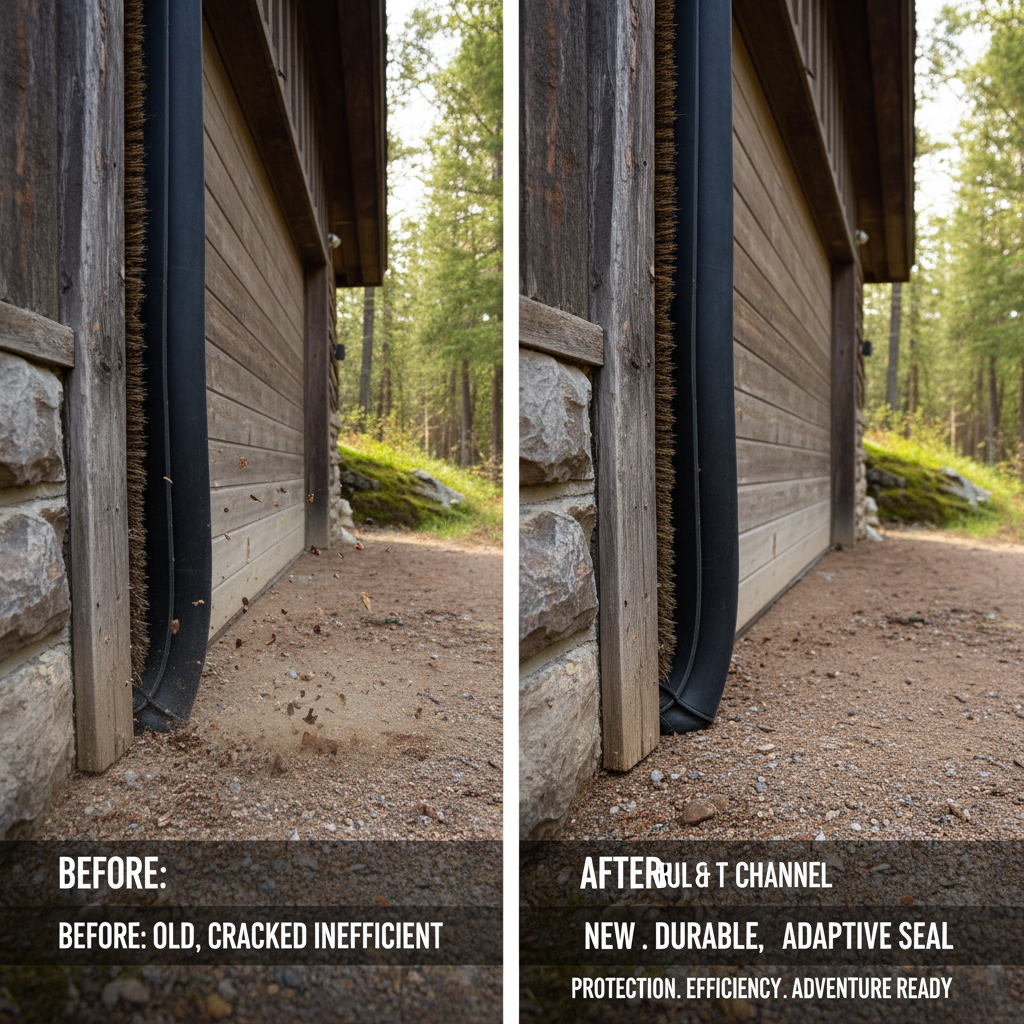
On a global scale, the efficiency of industrial and residential envelopes is under scrutiny due to rising energy costs and ISO standards for building sustainability. The choice of overhead door garage door bottom seal types is not merely a maintenance detail but a strategic decision to minimize thermal bridging. In colder climates, a failing seal can lead to significant heat loss, while in tropical regions, it allows humid air and insects to infiltrate controlled environments.
The challenge often lies in the diversity of floor surfaces. From polished concrete in high-tech warehouses to uneven asphalt in residential driveways, a "one size fits all" approach fails. This is why the industry has evolved to offer specific rubber blends and geometries that can adapt to these variances, ensuring that the seal maintains a constant pressure against the floor without causing excessive friction on the door motor.
At its most basic level, overhead door garage door bottom seal types refer to the various profiles and material compositions of the gaskets attached to the bottom rail of a garage door. These components are designed to close the gap between the door and the ground, creating an airtight and watertight barrier. Modern seals are typically categorized by their shape—such as U-shaped, bulb, or flat—and their chemical makeup, ranging from EPDM rubber to PVC and silicone.
In the context of modern industry, these seals are vital for maintaining "Clean Room" standards in pharmaceutical warehouses or preventing the entry of road salt and slush in automotive service centers. The evolution of these seals reflects a broader humanitarian need for energy independence; by reducing the energy required to heat or cool a space, we lower the global carbon footprint associated with building management.
Furthermore, the integration of high-grade elastomers ensures that these seals do not undergo permanent deformation. A high-quality seal utilizes "memory" properties, meaning it can compress to fit a dip in the floor and then spring back to its original shape as the door rises, ensuring a consistent seal over thousands of cycles.
When evaluating overhead door garage door bottom seal types, durability is the foremost consideration. This is primarily determined by the polymer's resistance to UV radiation and ozone. EPDM (Ethylene Propylene Diene Monomer) is often the gold standard here, as it prevents the rubber from becoming brittle and cracking under the harsh glare of the sun, which is a common failure point for cheaper PVC alternatives.
Adaptability to surface irregularity is another key factor. Some overhead door garage door bottom seal types feature a softer, more flexible "fin" or "bulb" that can mold itself to cracks and slopes in the concrete. This ensures that air leakage is minimized even if the floor is not perfectly level, providing a superior seal compared to rigid, flat gaskets.
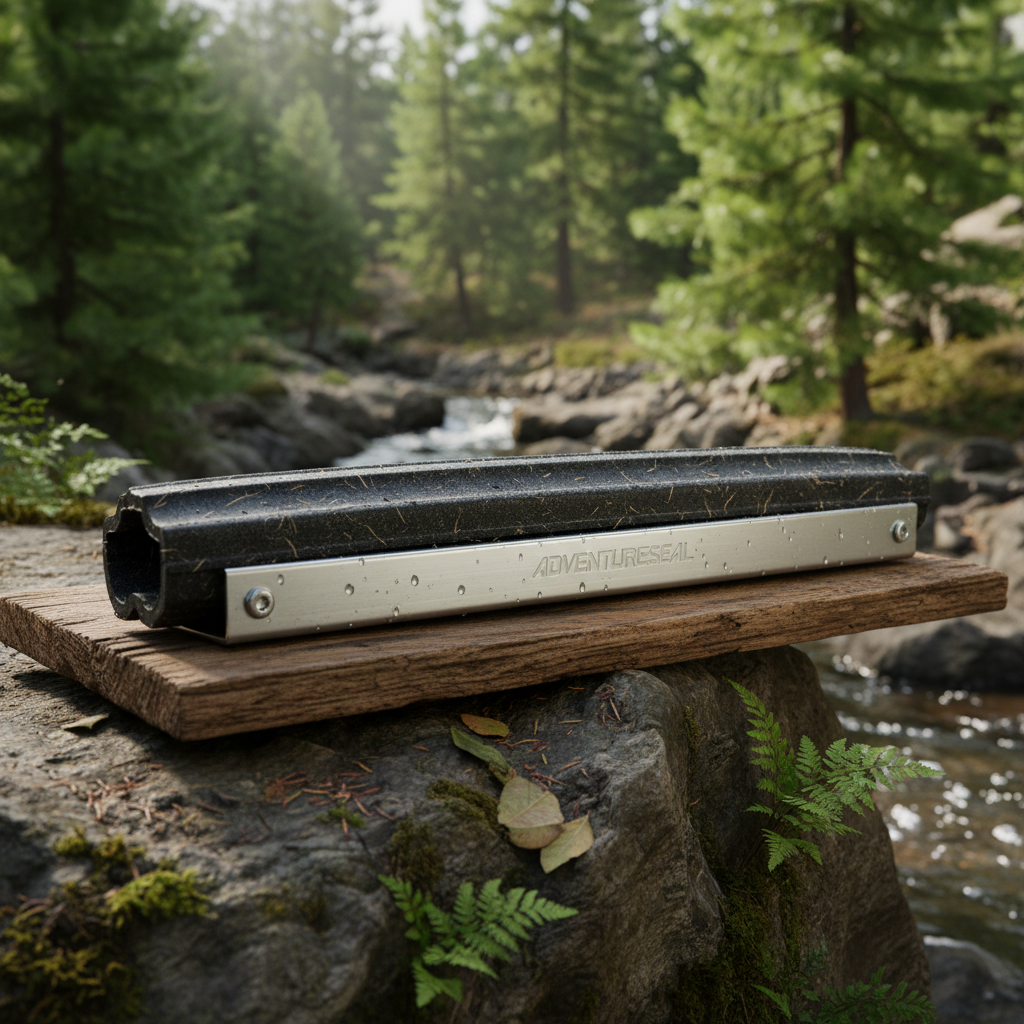
Finally, cost-efficiency and ease of installation play a major role in commercial scalability. Retainer-based systems, where the seal slides into a metal track, allow for rapid replacement without needing to dismantle the door rail. This reduces downtime in industrial settings and ensures that the sealing integrity is maintained throughout the lifecycle of the overhead door.
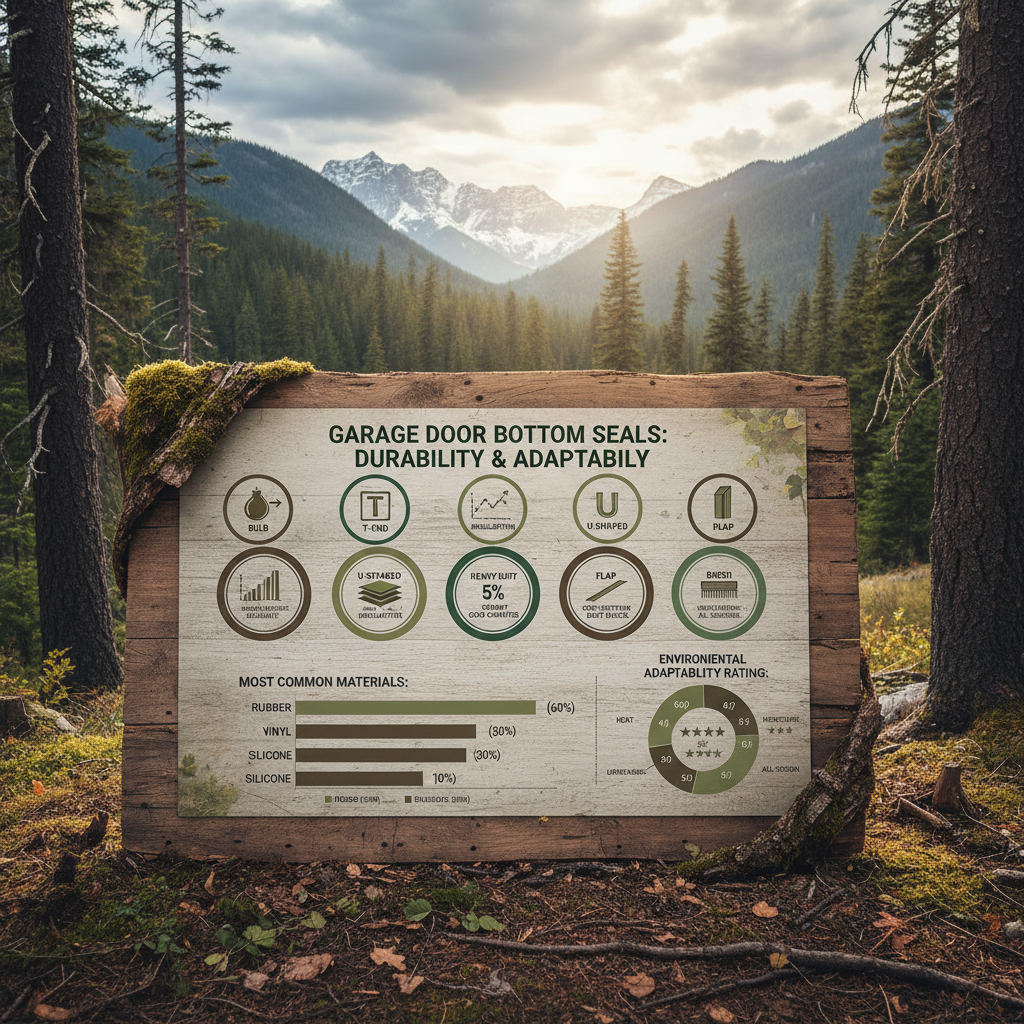
To truly understand which of the overhead door garage door bottom seal types is right for a project, we must look at empirical data regarding compression, wear resistance, and thermal insulation. Different materials react differently to the mechanical stress of the door opening and closing, and their ability to block wind varies significantly based on the profile geometry.
For instance, a bulb seal offers excellent air blockage but may wear faster under heavy foot traffic, whereas a heavy-duty U-shape rubber seal provides a balance of longevity and protection. The following data represents a generalized performance rating based on industry testing for common seal configurations.
In real-world applications, the selection of overhead door garage door bottom seal types varies by region and industry. In Northern Europe and Canada, where freeze-thaw cycles are extreme, high-grade silicone and EPDM are preferred for their ability to remain flexible at -40°C. In these remote industrial zones, a failed seal can lead to ice buildup inside a warehouse, creating hazardous working conditions and damaging sensitive inventory.
Conversely, in the logistics hubs of Southeast Asia, the focus shifts toward pest control and dust prevention. Here, reinforced vinyl seals with integrated brush inserts are often used to block small insects and wind-blown debris from entering distribution centers. By utilizing the correct seal type, these organizations maintain a hygienic environment that meets international food safety and pharmaceutical storage standards.
The long-term value of investing in premium overhead door garage door bottom seal types extends beyond simple maintenance. From a financial perspective, a superior seal reduces the "leakage" of paid-for energy, leading to lower monthly utility bills. Over a five-year period, the difference in energy costs between a cheap PVC seal and a high-performance EPDM seal can often exceed the initial cost of the installation.
Beyond the economics, there is a significant sustainability angle. Reducing the energy load of a building decreases the demand on the local power grid, contributing to broader carbon reduction goals. Furthermore, using recyclable elastomers in seal production aligns with the circular economy principles currently being adopted by leading manufacturers in the rubber and plastics industry.
From an emotional and psychological standpoint, a well-sealed door provides a sense of security and professionalism. For a business, it demonstrates attention to detail and a commitment to quality. For a homeowner, it means a cleaner garage, a quieter interior, and the peace of mind that their assets are protected from the elements.
The future of overhead door garage door bottom seal types is moving toward "smart materials" and advanced automation. We are seeing the emergence of adaptive polymers that can change their stiffness based on temperature, ensuring a tight seal in winter while reducing friction in summer to prolong the life of the door motor.
Digital transformation is also touching this sector. Some industrial-grade seals are now being integrated with sensors that can detect "seal failure" or air leaks in real-time, alerting facility managers via an IoT dashboard. This shift from reactive to predictive maintenance ensures that seals are replaced only when necessary, reducing material waste and labor costs.
Additionally, the push for green energy is driving the development of bio-based elastomers. These new materials aim to provide the same chemical resistance and durability as petroleum-based rubber but with a significantly lower environmental impact during production.
| Material Type | UV Resistance | Flexibility Range | Expected Lifespan |
|---|---|---|---|
| EPDM Rubber | Excellent | Wide (-40 to 120C) | 7-10 Years |
| Standard PVC | Moderate | Narrow (0 to 60C) | 3-5 Years |
| Silicone | Superior | Extreme (-60 to 200C) | 12+ Years |
| Vinyl | Good | Moderate | 5-7 Years |
| TPE Elastomer | High | Wide | 6-8 Years |
| Neoprene | Moderate | Moderate | 5-8 Years |
For uneven surfaces, a flexible U-shaped EPDM rubber seal or a bulb seal is highly recommended. These types possess superior compression memory, allowing them to mold into dips and gaps in the concrete while maintaining a tight seal. Avoid rigid vinyl or flat seals, as they cannot adapt to irregularities and will leave gaps where air and water can enter.
Typically, seals should be inspected annually and replaced every 3 to 7 years depending on the material. PVC and vinyl seals tend to wear out faster, while EPDM and silicone can last a decade. Signs of failure include visible cracking, flattening of the rubber, or noticing light/drafts coming through the bottom of the door when it is closed.
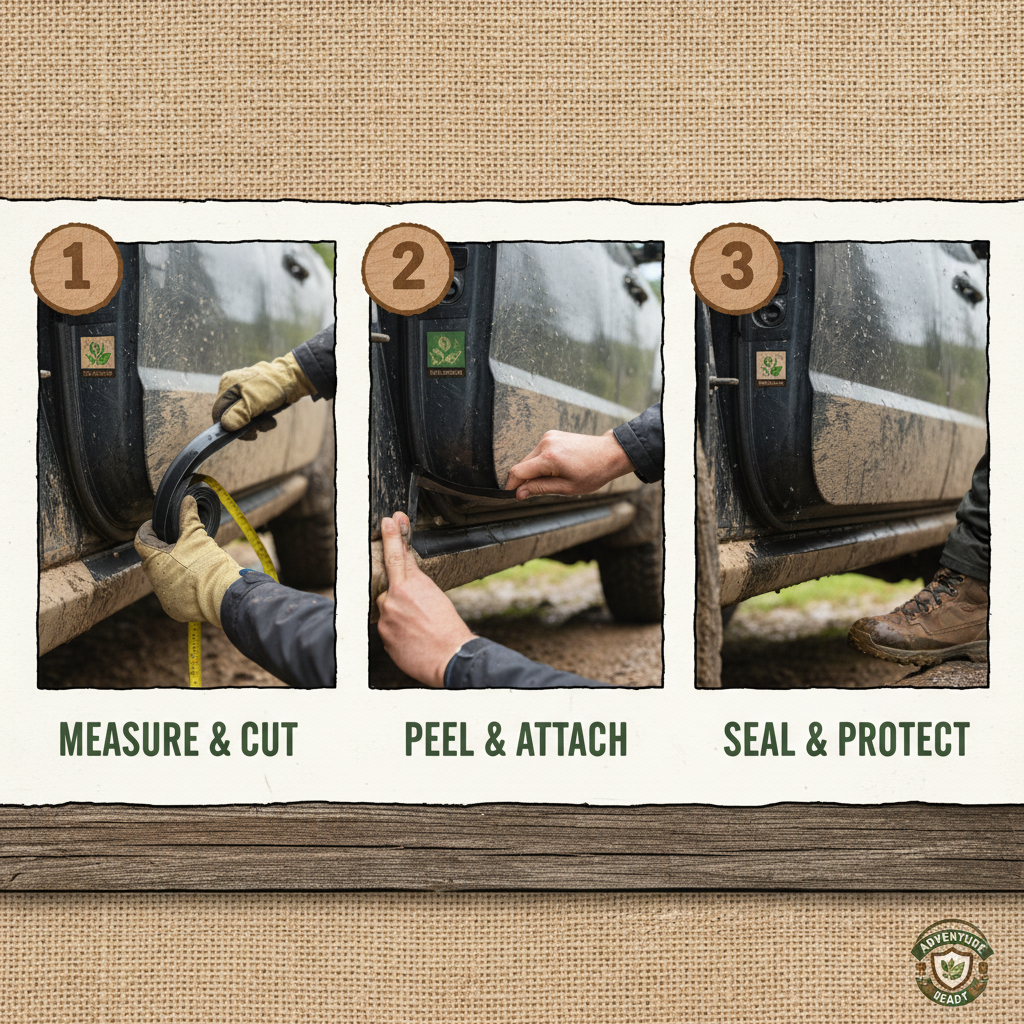
Yes, most bottom seals are designed for DIY installation. If your door has a track (retainer), you simply slide the new seal into the channel. If it's a nail-on or screw-on type, you will need a basic drill or hammer. However, for heavy industrial doors, professional installation is recommended to ensure the seal is perfectly aligned and doesn't put undue stress on the opener.
Yes, a seal that is too thick or too rigid can increase the friction against the floor, forcing the door opener to work harder. This can lead to premature wear of the motor or trigger the auto-reverse safety mechanism. Choosing a high-quality elastomer with low friction coefficients ensures smooth operation without compromising the seal's effectiveness.
In most residential cases, EPDM rubber is sufficient. However, if you live in an area with extreme temperature swings (extreme cold or heat) or require a seal that is completely hypoallergenic and UV-proof, silicone is worth the investment. It offers the longest lifespan and the best flexibility, reducing the frequency of replacements over the long term.
The best prevention is choosing the right material. Ensure you use overhead door garage door bottom seal types made from EPDM or silicone, as these polymers are specifically engineered to remain flexible at sub-zero temperatures. Avoid cheap PVC, which becomes brittle and cracks when exposed to freezing conditions.
Understanding the nuances of overhead door garage door bottom seal types is fundamental to maintaining a sustainable, energy-efficient, and protected space. From the material science of EPDM and silicone to the geometric advantages of bulb and U-shaped profiles, the right seal provides an essential barrier against the elements, reduces operational costs, and extends the life of the door hardware. By prioritizing durability and adaptability, property owners can ensure a high-performance envelope that withstands both time and weather.
As we move toward a future of smarter buildings and eco-friendly materials, the role of high-precision sealing will only grow in importance. We encourage facility managers and homeowners to move beyond "commodity" replacements and invest in engineered sealing solutions that offer genuine long-term value. For professional-grade seals and expert guidance on the best fit for your specific needs, visit our website: www.qzseals.com