Telephone: +8618730949119
0%

Table of Contents

You know, I've been running around construction sites all year, getting my hands dirty with materials, chatting with engineers… honestly, things are changing fast. Everyone's talking about energy efficiency now, right? And a big part of that is sealing things up tight. It’s not just about saving a few bucks on the electricity bill, it’s about keeping the heat in, the cold out, and preventing mold. People are getting serious.

I’ve noticed, though, a lot of designers sit in their offices and think they know what works. They specify these fancy materials, intricate designs…and then you get on site and realize it's a nightmare to actually install. Like, who thought putting a finicky clip system on something that’s going to be slammed with a hammer repeatedly was a good idea? Seriously.

The thing is, a door bottom seal strip... it's simple. Should be simple, anyway. But so much can go wrong.
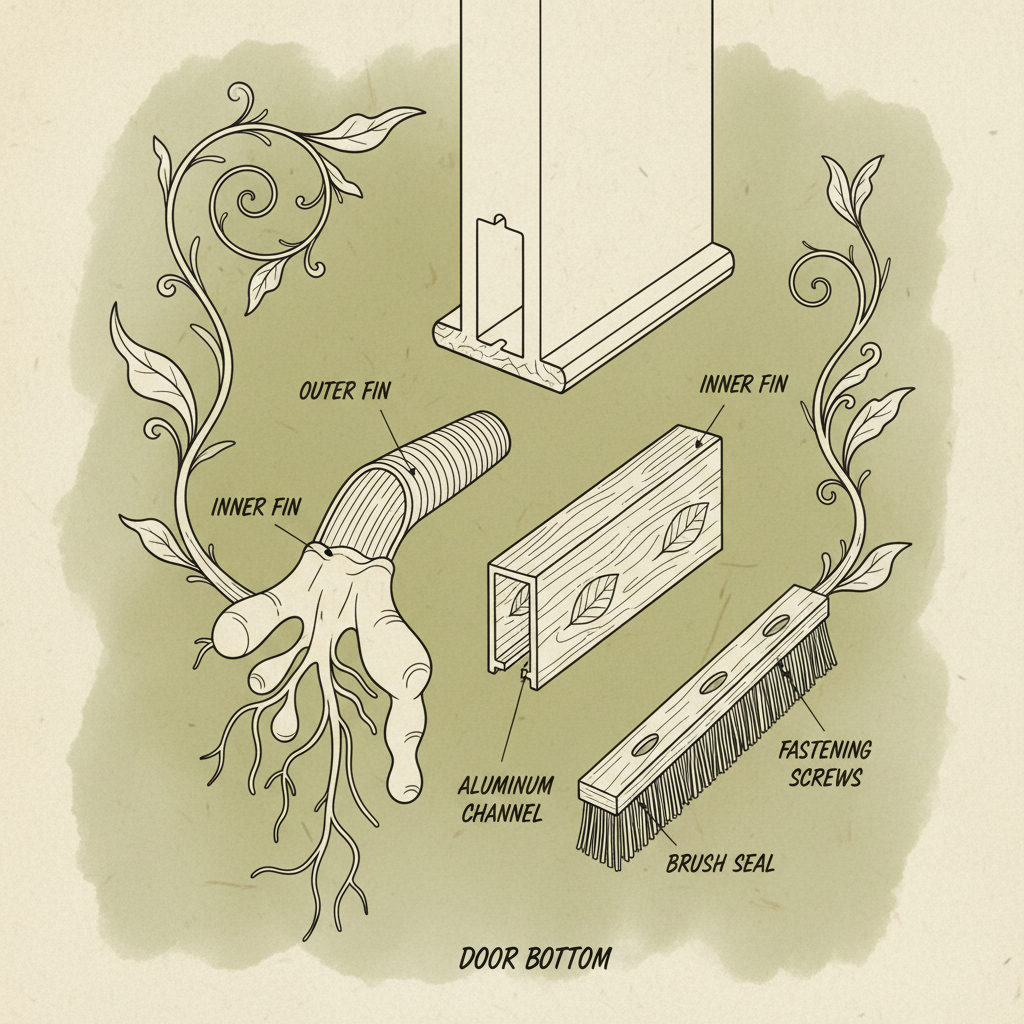
Understanding Door Bottom Seal Strip Performance and Installation

What’s Happening in the Door Bottom Seal Strip World?
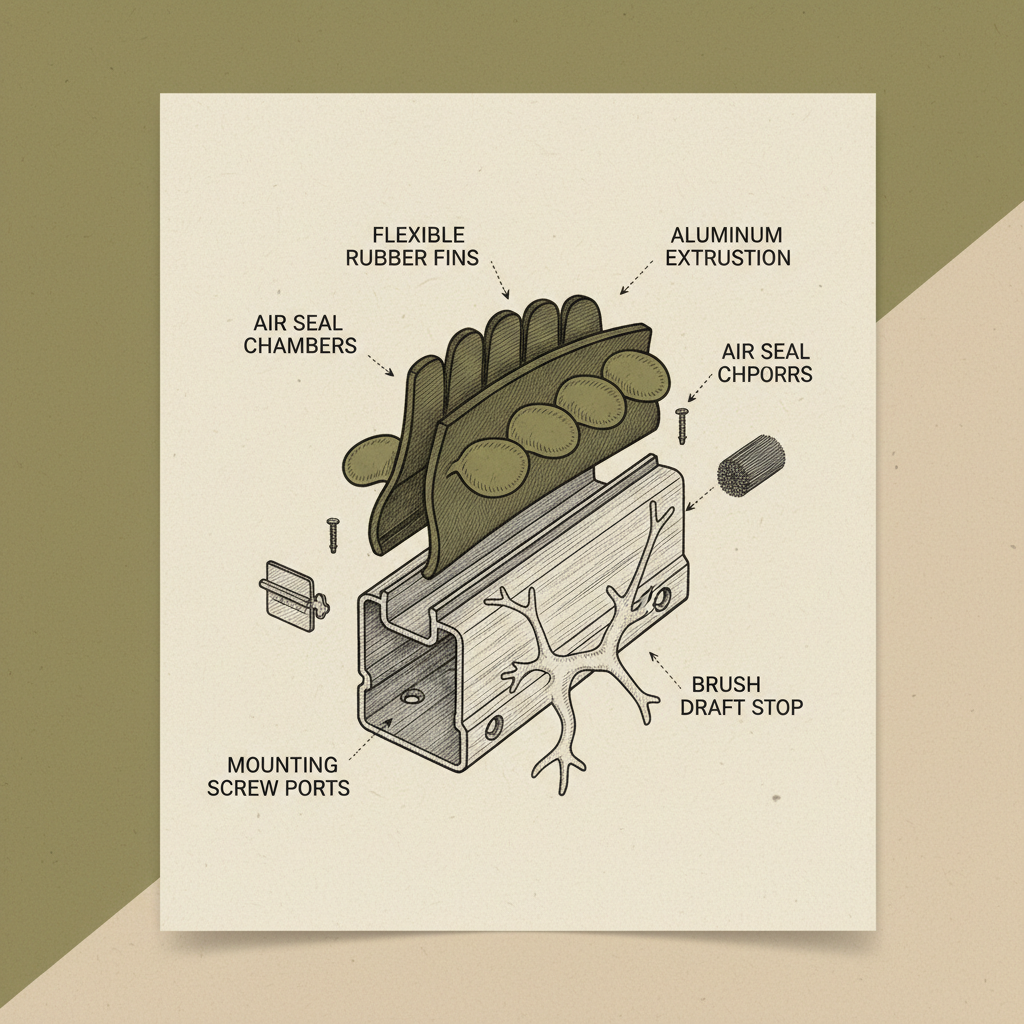
Understanding Door Bottom Seal Strip Performance and Installation

To be honest, the biggest trend I'm seeing is a move toward more sustainable materials. Everyone's looking at recycled rubber, bio-based polymers... stuff like that. It's not always easy, though. Recycled rubber can smell rough sometimes. I was at a factory last time, and the smell practically knocked you over. But the clients are demanding it, and we gotta find ways to make it work.

There's also this push for more customizable solutions. Standard sizes are fine for a lot of jobs, but increasingly, projects have unique requirements. Different door thicknesses, weird angles…they want something that fits perfectly. And, strangely, a lot more people are asking about acoustic sealing. Noise pollution is a real problem, apparently.

Design Pitfalls: The Devil’s in the Details

Have you noticed how many seal strips just…fail after a few months? It’s usually because of the design. Too many tight corners, flimsy attachment points, or materials that aren’t durable enough. I once saw a design that relied on adhesive alone to hold the strip in place. Yeah, that lasted about a week before peeling off. It was…a learning experience.

Another big mistake is not accounting for expansion and contraction. Materials move with temperature changes, you know? If the seal strip is too tight, it’ll either buckle or rip. It’s a simple thing to consider, but it’s amazing how often it’s overlooked. And the clip systems! Don't even get me started on the clip systems…

They look good on paper, all streamlined and modern, but when you're trying to install them in the freezing cold, with gloves on, they become your enemy. Forget it, I won't mention it.

Materials Matter: From Rubber to Silicone and Everything In Between

Okay, let’s talk materials. You’ve got your standard EPDM rubber, which is pretty reliable, smells…rubbery, naturally. It’s got a good feel to it, kind of dense and springy. Then you’ve got silicone, which is more flexible, handles temperature extremes better, but it’s also more expensive. And it has that…silicone smell, kind of sweet but a bit artificial.

There’s also PVC, which is cheap, but… well, it’s PVC. It gets brittle over time, doesn’t hold up well in the sun. I’m seeing more and more TPEs being used, they're trying to get the best of both worlds - the flexibility of silicone, the cost-effectiveness of PVC. They feel a bit…plasticky, though.

Honestly, the feel of the material tells you a lot. If it feels cheap and flimsy, it probably is. I always give it a good squeeze, a good bend, and a sniff. You learn to trust your instincts after a while.

Real-World Testing: Beyond the Lab

Labs are fine for basic performance tests, sure. But they don’t tell the whole story. I mean, a machine slamming a door a thousand times is nothing like a real-life scenario. I’ve seen seal strips pass lab tests with flying colors, then fall apart after a few months on a busy office building door.

We do our own testing, mostly on-site. We’ll install a strip, then have people just…use the door. Open it, close it, slam it (accidentally, of course). We check for wear and tear, gaps, anything that looks off. We also do a water test – simple, just spray it with a hose and see where the leaks are.

The real test, though, is time. A year, two years down the line, that’s when you really see how a seal strip holds up.

Door Bottom Seal Strip Performance Metrics


How They’re Actually Used: It’s Not Always What You Expect

You’d think people would just install them and forget about them, right? Nope. I've seen guys using them as makeshift doorstops, trimming them with box cutters, even painting them! (Don't ask, I don't know why). They'll cut corners to make it fit.

And a lot of times, they don't bother to clean the surface before applying the adhesive. Dust, dirt, grime…it all gets in the way. Then they wonder why it doesn’t stick. It's frustrating, honestly.

The Good, the Bad, and the Customizable

The good? When a door bottom seal strip works, it really works. No drafts, no noise, no pests. It makes a huge difference. The bad? Well, we’ve already covered a lot of that. Cheap materials, poor design, improper installation… it’s a minefield.

Customization is key. I had a client, a museum, who needed a seal strip for a very old, oddly shaped door. They wanted a specific color to match the woodwork, and a unique profile to fit the uneven surface. We had to design something from scratch, but it ended up looking fantastic. That's what I like about this job.

A Shenzhen Story: When Met a Door Seal

Last month, that small boss in Shenzhen who makes smart home devices – Mr. Li, real character – insisted on changing the interface to , and the result was a complete disaster for his waterproof seal on the device casing. He came to me, frantic, saying his production line was stalled. It turned out, the new port required a slightly larger cutout, which compromised the seal.

We ended up redesigning the seal strip, using a more flexible silicone and a tighter compression fit. It cost him a bit more, but it solved the problem. He was so relieved he bought me dinner – spicy Sichuan food, almost burned my mouth off!

It just goes to show, sometimes the smallest changes can have a huge impact. And you always need to think about the whole system, not just one component.

Door Bottom Seal Strip: Performance Summary

Material Type Installation Difficulty (1-5) Long-Term Durability (1-5) Cost per Meter
EPDM Rubber 2 4 $3
Silicone 3 5 $8
PVC 1 2 $2
TPE 2 3 $5
Polyurethane 4 4 $7
Recycled Rubber 3 3 $4

FAQS

How often should I replace my door bottom seal strip?

It really depends on use. High-traffic doors might need replacing every year or two, while less used doors could last five years or more. Look for signs of cracking, compression, or gaps. If it's not sealing properly, it's time for a replacement. It's cheaper to replace it than to deal with the energy loss or pest issues.

What’s the best way to clean a door bottom seal strip?

Generally, a damp cloth and mild detergent are all you need. Avoid harsh chemicals or abrasive cleaners, as they can damage the material. For stubborn dirt, you can use a soft brush. Make sure it's completely dry before the door is used again. Honestly, most of the time a quick wipe down is all it needs.

Can I install a door bottom seal strip myself?

Absolutely! Most are designed for DIY installation. You'll typically just need a utility knife to cut it to size and a screwdriver or drill to secure it. However, make sure you carefully follow the manufacturer’s instructions. A poorly installed seal strip is worse than no seal strip at all. Don't rush it!

What’s the difference between a brush seal and a rubber seal?

Brush seals are good for smaller gaps and offer some flexibility, while rubber seals provide a tighter seal and are more durable. Brush seals are also better at conforming to uneven surfaces. Rubber seals are typically more effective at blocking drafts and noise. It really depends on the application and what your priorities are.

Will a door bottom seal strip help with soundproofing?

It can definitely help, but it's not a miracle worker. A good seal strip will block some sound transmission, especially low-frequency noises. But for serious soundproofing, you'll need a combination of measures, like solid-core doors, acoustic panels, and proper insulation. It's one piece of the puzzle.

Are there universal door bottom seal strips?

There are some, but "universal" doesn’t always mean a perfect fit. They're designed to be adaptable to a range of door sizes, but you may still need to trim them to get a proper seal. It’s always better to get a seal strip that’s specifically sized for your door, if possible. Avoid headaches down the line.

Conclusion

So, there you have it. Door bottom seal strips – they're not glamorous, but they’re incredibly important. From material selection to proper installation, there's a lot to consider. It's a world of small details that add up to big performance gains in energy efficiency, comfort, and pest control. The industry is pushing for sustainability, demanding customization, and recognizing the importance of real-world testing.

Ultimately, whether this thing works or not, the worker will know the moment he tightens the screw. And honestly, that's all that really matters. If it's easy to install, lasts a long time, and keeps the drafts out, it's a good seal strip. Visit our website at qzseals.com to learn more and find the perfect solution for your needs.

Michael Brown

Michael Brown

Michael Brown serves as the Logistics and Supply Chain Director at Hebei Qiuzhuo Rubber Products Co., Ltd. He ensures efficient and timely delivery of products to customers globally, leveraging the company’s strategic location near key ports like Tianjin and Qingdao. Michael has a strong background in international shipping, warehousing, and
Previous Exploring Different types of bottom garage door seals and Performance Considerations
Next Effective Under Door Draft Stopper Solutions for Enhanced Energy Efficiency