Telephone: +8618730949119
0%

Table of Contents

You know, I've been running around construction sites all year, dealing with dust, smelling cement... honestly, it's exhausting. But the exterior door sweep thing? It's… it’s always interesting. Lately, everyone's obsessed with energy efficiency. Seems like the slightest draft and people lose their minds. It's driving a lot of the demand, but it's also making things… complicated.

Have you noticed how everyone's going for these super-tight seals? They look great on paper, but then you get out on site and find out they're a nightmare to install, especially for older doors. You end up stripping screws, bending frames… It’s a whole thing. It's like, the engineers are designing in a vacuum, you know? They’ve never actually held a screwdriver.

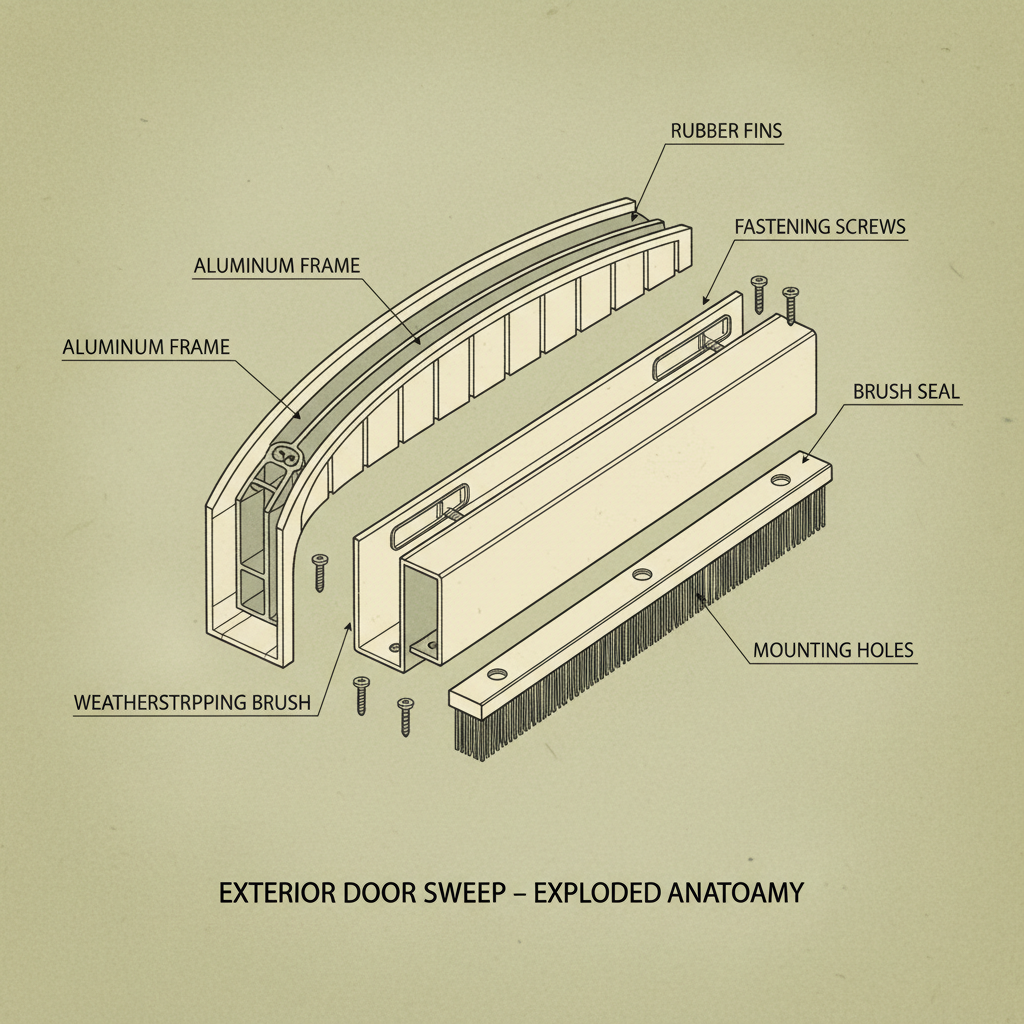
And the materials… that's another rabbit hole. We're using a lot of EPDM these days. Good stuff, durable, weather-resistant. Smells a little like tires, but you get used to it. Then there's the PVC, which is cheaper, but feels… brittle. And the brush sweeps? Don’t even get me started. The quality varies wildly. Some feel like they’ll fall apart after a week, others… well, they’re okay. I encountered a batch at a factory in Ningbo last time that just disintegrated when I tried to bend it. Seriously.
Navigating the World of Exterior Door Sweeps and Installation Challenges

The Latest Trends in Exterior Door Sweeps
Navigating the World of Exterior Door Sweeps and Installation Challenges

Strangely enough, a lot of the push now is for magnetic exterior door sweeps. Apparently, it makes installation easier. I haven’t tried them myself yet, honestly. Sounds like a gimmick to me, but who knows? People are also asking for more integrated solutions – sweeps that come pre-installed with the door frame, that sort of thing. It’s all about saving time on the jobsite, I guess. And of course, the smart home integration… Everything’s gotta be connected to the internet these days.

There’s also a surge in demand for heavier-duty sweeps, especially in coastal areas. Salt air is brutal on everything, and those flimsy brush strips just don’t cut it. We’re seeing a lot of requests for stainless steel reinforcement, and more durable rubber compounds.

Design Pitfalls and Common Mistakes

Look, the biggest mistake I see is over-engineering. Designers try to solve problems that don’t exist, and they end up making the product more complicated and expensive. For example, I saw one design with a three-stage seal – a brush, a rubber flap, and then a magnetic strip. Completely unnecessary! It was a nightmare to install, and it didn’t actually seal any better than a simple brush sweep.

Another thing is ignoring the door threshold. You can have the best exterior door sweep in the world, but if the threshold is uneven or damaged, it won’t work properly. It’s a simple thing, but people often overlook it.

And don't even get me started on the screws. They always use the wrong screws. Too short, too long, the wrong head… it's infuriating. It's always the screws, isn't it?

Material Deep Dive: What We're Actually Using

Like I said, EPDM is the workhorse. It's got good UV resistance, it holds up to temperature extremes, and it’s relatively easy to work with. Feels a bit rubbery, you know? Smells faintly of tires, like a mechanic’s shop. We’re using a lot of it for the fin-style sweeps.

PVC is cheaper, but it's also more brittle. It cracks easily in cold weather, and it doesn't seal as well. Feels hard and plasticky, and it has that… chemical smell. It’s okay for temporary applications, or for doors that don’t get a lot of use, but I wouldn’t rely on it for a front entrance.

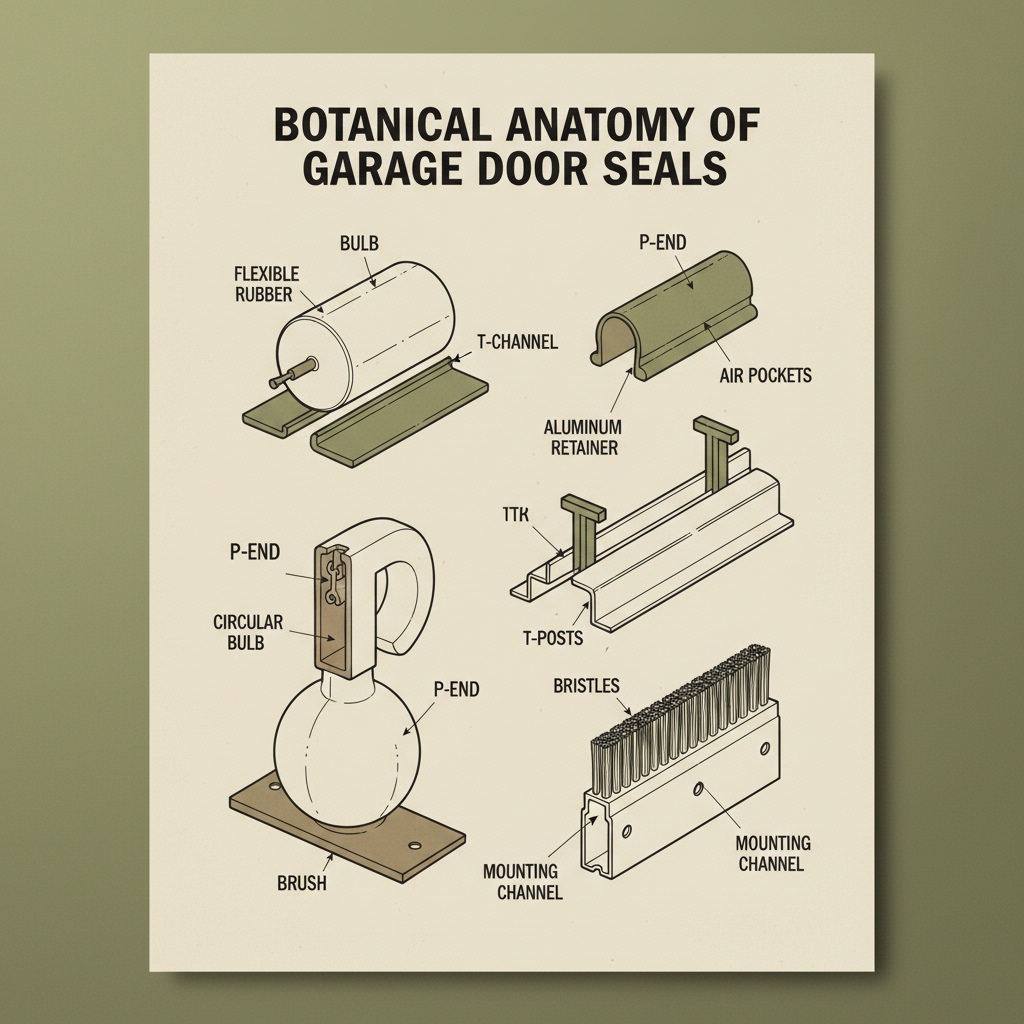
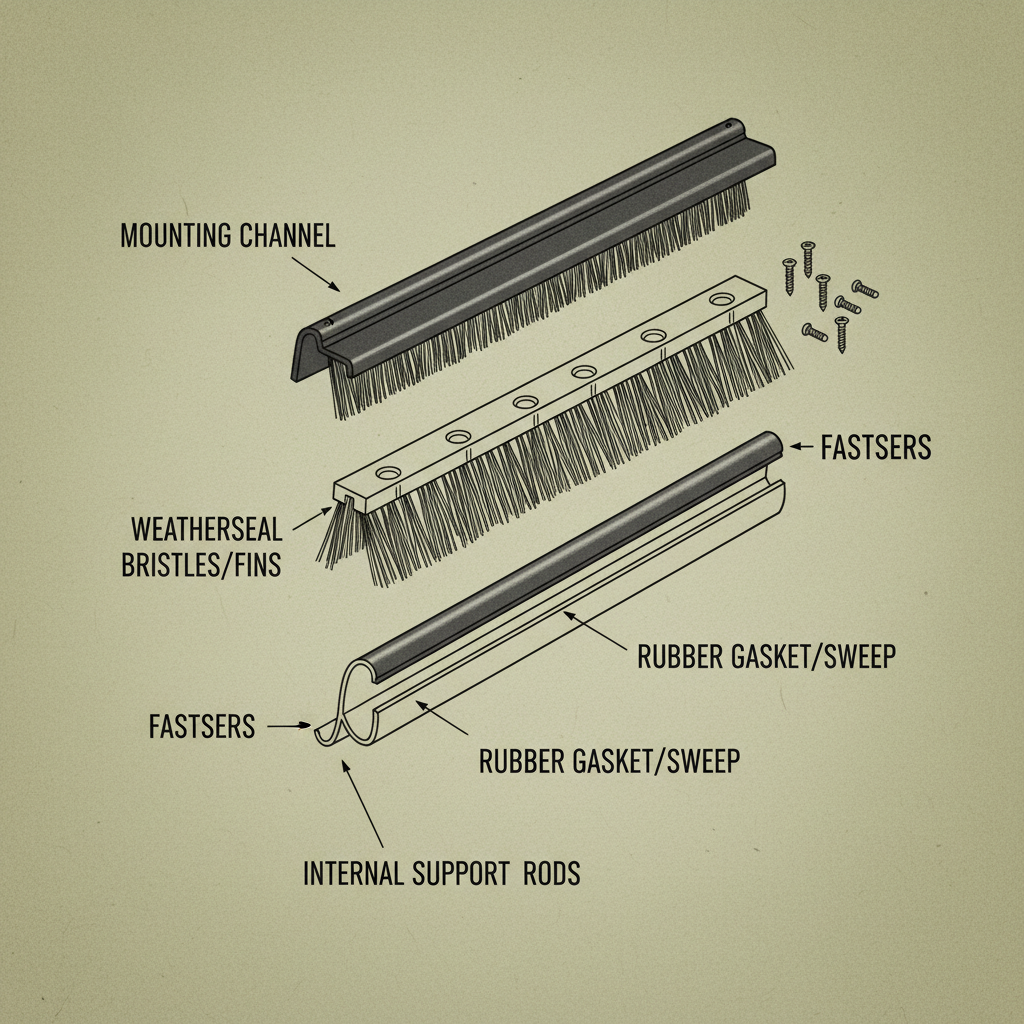
Then you have the brush sweeps. Nylon is common, but the quality varies. Some of the cheap ones shed bristles everywhere. Feels scratchy, and looks terrible after a few months. I prefer the polypropylene ones – they’re a little more durable. We’re also seeing more and more silicone sweeps – they're softer and more flexible, but they're also more expensive.

Real-World Testing: Beyond the Lab

Forget the lab tests. They’re useless. I want to see how this thing holds up to a real-world beating. We take samples out to job sites and just… abuse them. We leave them exposed to the sun, rain, snow, salt spray. We drive trucks over them (not really, but sometimes it feels like it). We ask the carpenters to install them, and then we ask them what they think.

The best test is time, honestly. I want to see how the sweep looks and performs after a year, two years, five years. Does it still seal properly? Is it cracked or faded? Is it still holding up to the elements? That’s the real test.

Exterior Door Sweep Performance Metrics


How People Really Use Them

You know what I’ve noticed? People don’t read the instructions. They just slap it on and hope for the best. And then they wonder why it doesn’t work. It's always the same.

I've seen people try to use exterior door sweeps on doors that are severely warped or damaged. It doesn't matter how good the sweep is, it's not going to fix a bad door. They’ll just get frustrated and give up.

The Good, The Bad, and the Customizable

The good? A good exterior door sweep can save you a lot of money on your energy bill. And it can make your home more comfortable. It keeps out the bugs, the dust, the rain… It's a simple thing, but it makes a difference.

The bad? The installation can be tricky, especially if you're not handy. And some of the cheaper sweeps just don’t last. They fall apart after a few months, and you end up replacing them.

Customization? Yeah, we can do that. Last week, a guy wanted a sweep with a specific color to match his door. It was a weird shade of green, but we managed to find a supplier who could do it. It cost him extra, of course, but he was happy. You'd be surprised what people want.

A Customer Story: Shenzhen and the Saga

Last month, that small boss in Shenzhen who makes smart home devices insisted on changing the interface to for the mounting bracket on his exterior door sweeps. Said it was more “future-proof.” Anyway, I think he just wanted to be different. The result was a nightmare. The screws were too small, the bracket kept falling off, and he ended up having to recall the whole batch. Cost him a fortune. He called me up, furious, asking why we didn’t tell him it was a bad idea. I just shrugged and said, “Sometimes you gotta learn the hard way.”

He wanted a sleek, minimalist design, but he didn't realize that meant sacrificing durability. He was obsessed with aesthetics, and completely ignored the practical considerations. He thought he was being innovative, but he ended up making a worse product.

Later… Forget it, I won’t mention it. That whole thing was a mess.

Exterior Door Sweep Performance Summary

Material Installation Difficulty (1-10) Cost (Low/Medium/High) Weather Resistance (1-10)
EPDM Rubber 5 Medium 9
PVC Plastic 3 Low 6
Nylon Brush 4 Low 7
Polypropylene Brush 4 Medium 8
Silicone Rubber 6 High 10
Magnetic Strip 2 Medium 7

FAQS

What's the best exterior door sweep for a metal door?

For metal doors, you generally want something durable and resistant to corrosion. EPDM rubber sweeps work well, or even silicone if you’re willing to spend a bit more. Avoid PVC – it can get brittle and crack in cold weather. The key is to make sure you get a sweep that’s the right length for your door and that it’s properly installed, otherwise you'll just be wasting your time.

How often should I replace my exterior door sweep?

It depends on the material and the weather conditions. Brush sweeps usually last a year or two, while rubber sweeps can last five years or more. If you notice the sweep is cracked, torn, or no longer sealing properly, it’s time to replace it. Don’t wait until it’s completely falling apart – you’ll end up with water damage and higher energy bills.

Can I install an exterior door sweep myself?

Absolutely, if you’re even remotely handy. It’s a pretty straightforward process, but you’ll need a few basic tools – a screwdriver, a utility knife, and a measuring tape. Just make sure you read the instructions carefully and don’t over-tighten the screws. And if you’re not comfortable doing it yourself, hire a professional. It's better to pay someone than to mess it up and have to replace the door.

What's the difference between a brush sweep and a rubber sweep?

Brush sweeps are good for keeping out dust and insects, but they don’t seal as well as rubber sweeps. Rubber sweeps are better at blocking out air and water, but they can be more difficult to install and maintain. It really depends on your needs and your budget. If you just need something to keep out the bugs, a brush sweep is probably fine. But if you’re looking for a more airtight seal, go with a rubber sweep.

My exterior door sweep is dragging on the floor. What should I do?

That means it’s too long. Use a utility knife to trim it down to the correct length. Start by trimming off a small amount and then test it. Repeat until it clears the floor without dragging. Be careful not to cut it too short, or you’ll have the opposite problem! Remember, it should make light contact, but not drag or resist closing the door.

Are magnetic exterior door sweeps any good?

Honestly? I'm still on the fence. The idea is that they're easier to install because you don't have to screw them in. But I've seen a few cases where the magnets aren’t strong enough to hold the sweep in place, especially on metal doors. And they can be more expensive than traditional sweeps. So, while they might be convenient, I'm not convinced they're worth the extra cost.

Conclusion

Ultimately, whether this thing works or not, the worker will know the moment he tightens the screw. We’ve talked about materials, design pitfalls, testing, and customization. It all comes down to choosing the right sweep for the job, installing it properly, and making sure it’s durable enough to withstand the elements. It's a small part of a bigger picture, but it's an important one.

And remember, things are always changing. New materials are being developed, new designs are being introduced, and new challenges are emerging. So, stay informed, keep learning, and don’t be afraid to experiment. And if you ever find yourself on a construction site, smelling cement and dealing with dust… well, you’ll understand what I’m talking about.

Robert Johnson

Robert Johnson

Robert Johnson is a leading Research and Development Engineer at Hebei Qiuzhuo Rubber Products Co., Ltd. With a PhD in Polymer Chemistry, Robert is instrumental in developing new rubber formulations and improving existing product performance. He specializes in custom compound development, working closely with clients to create materials optimized for
Previous The Significant Impact of Installing a Door Sweep for Global Energy Conservation
Next The Importance of an Effective External Door Sweep for Energy Efficiency